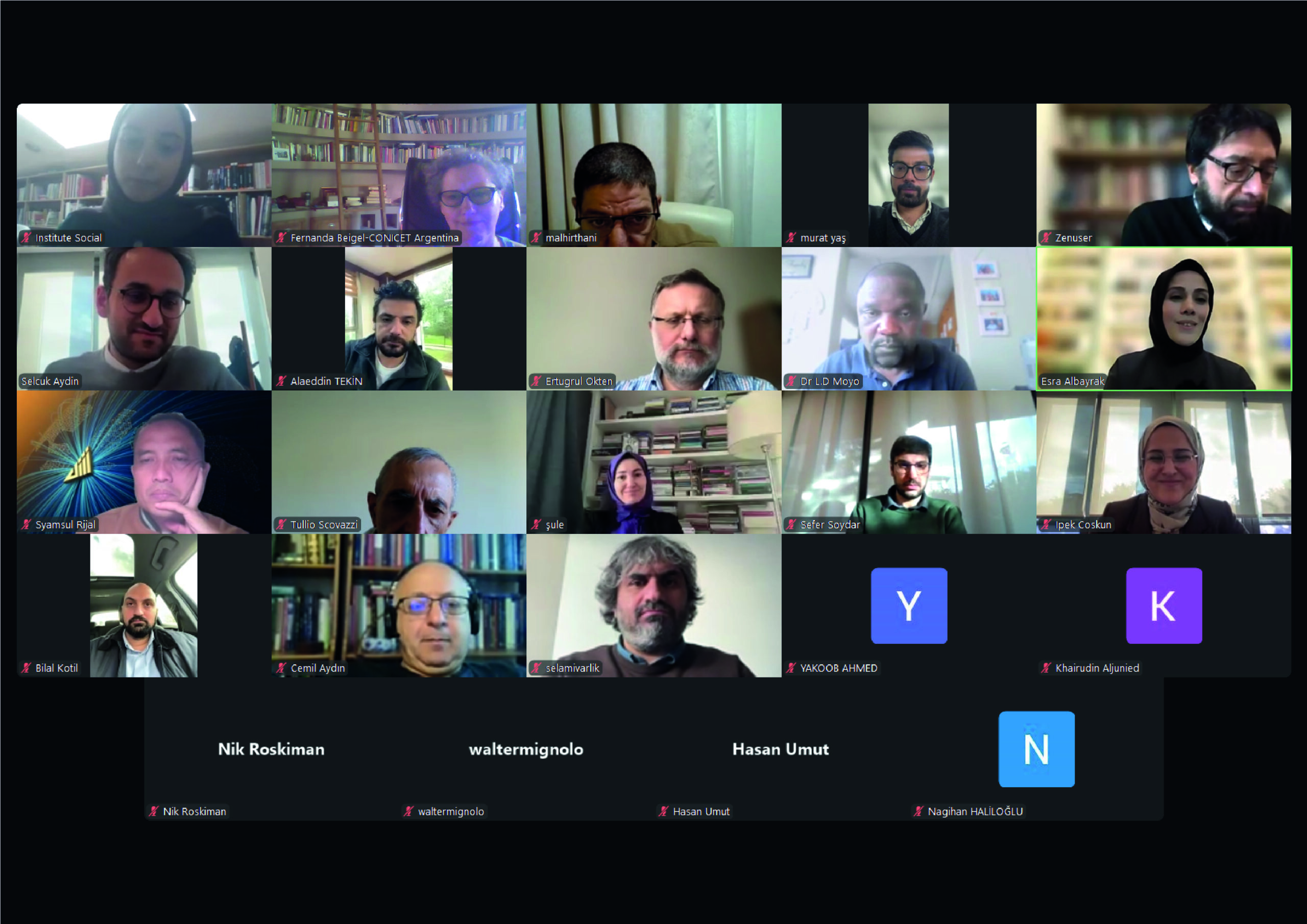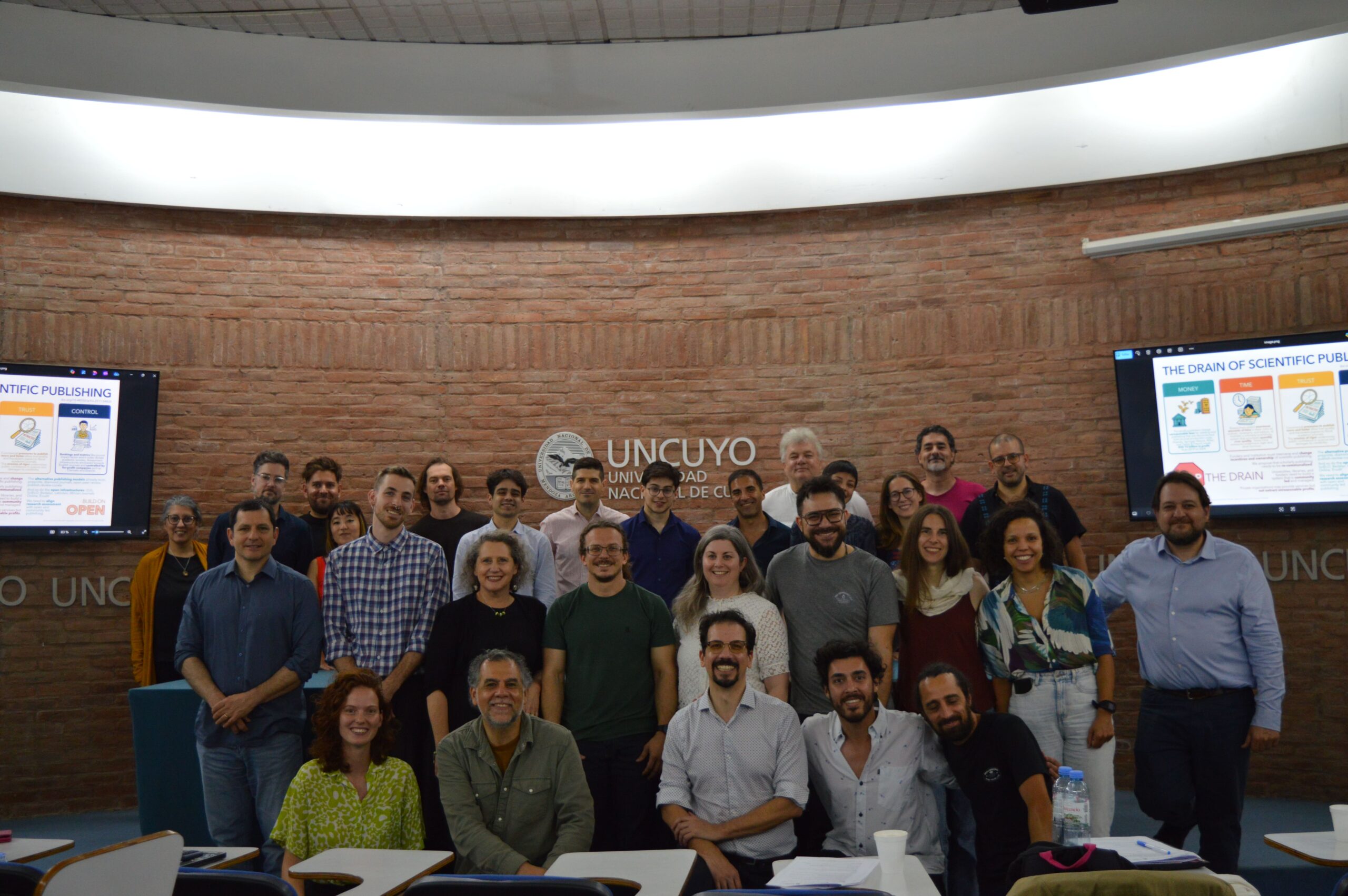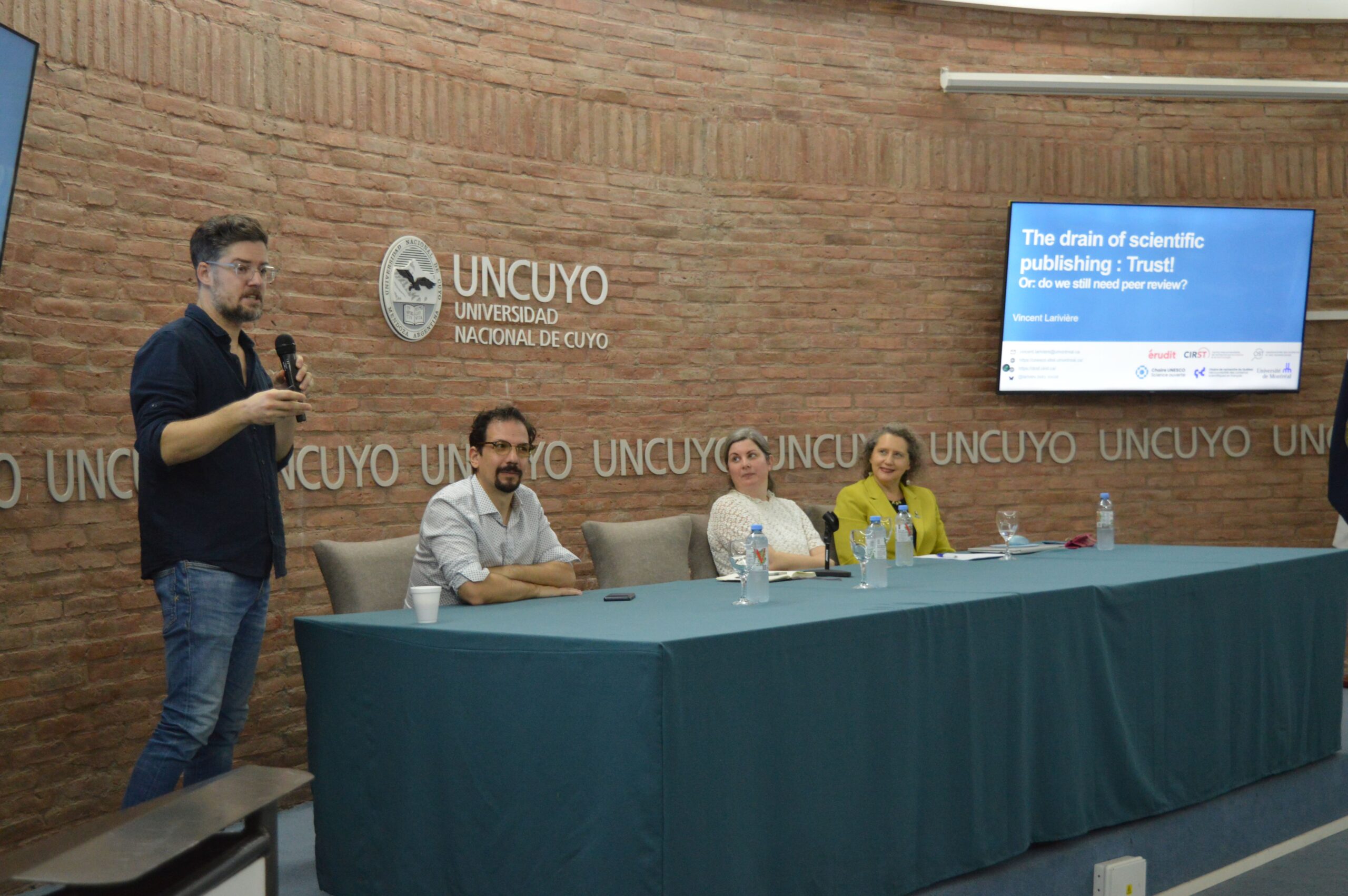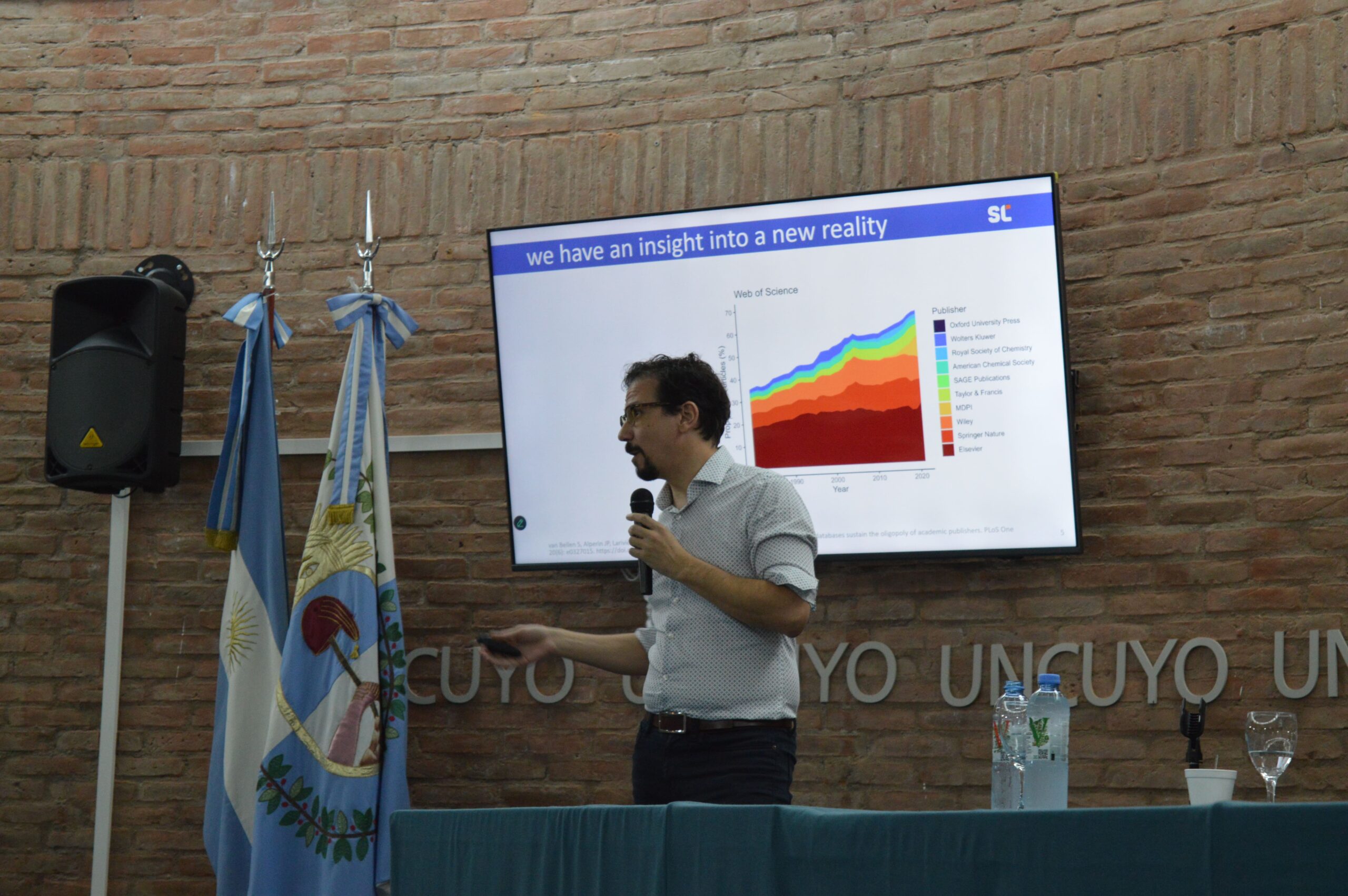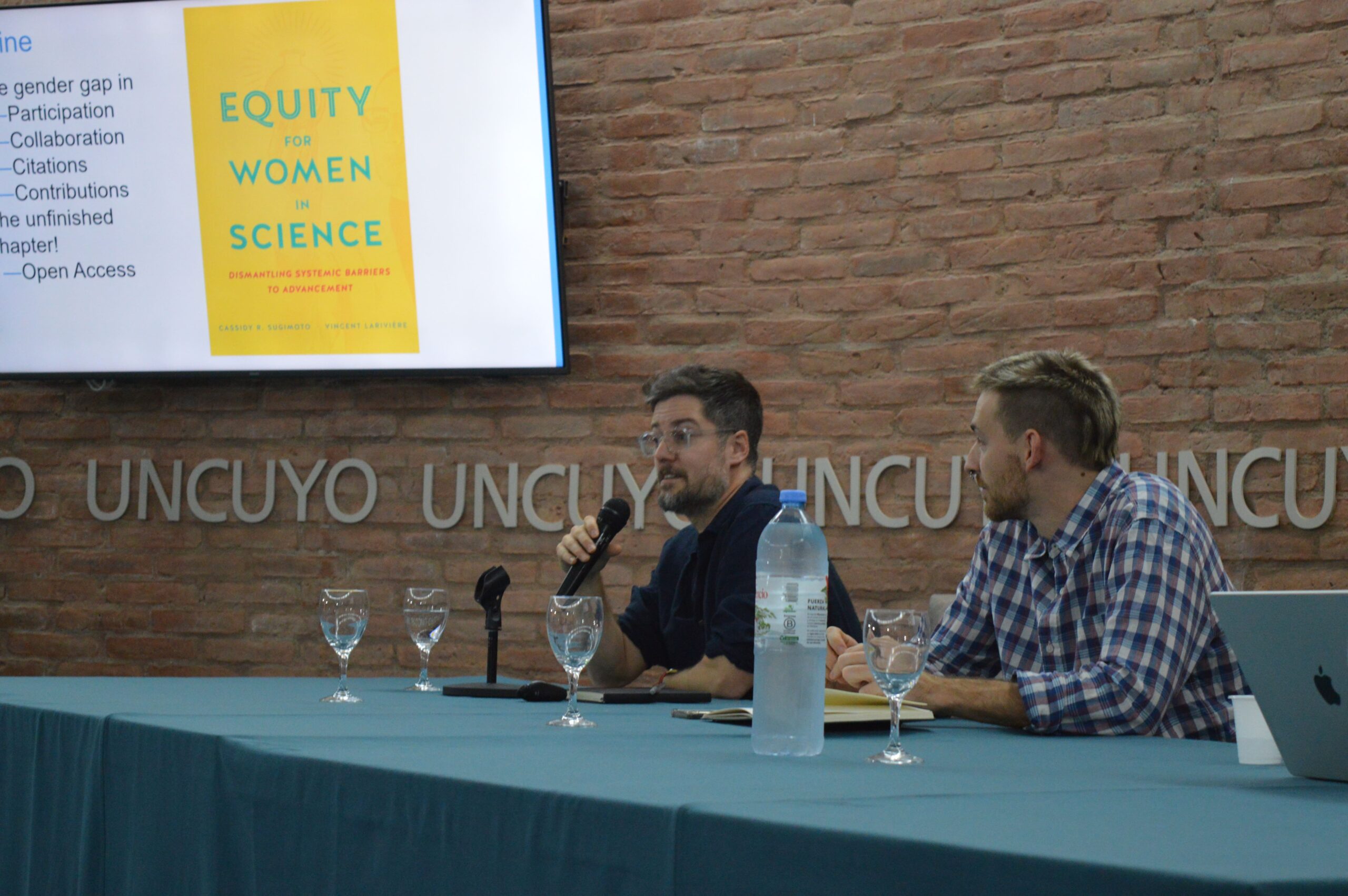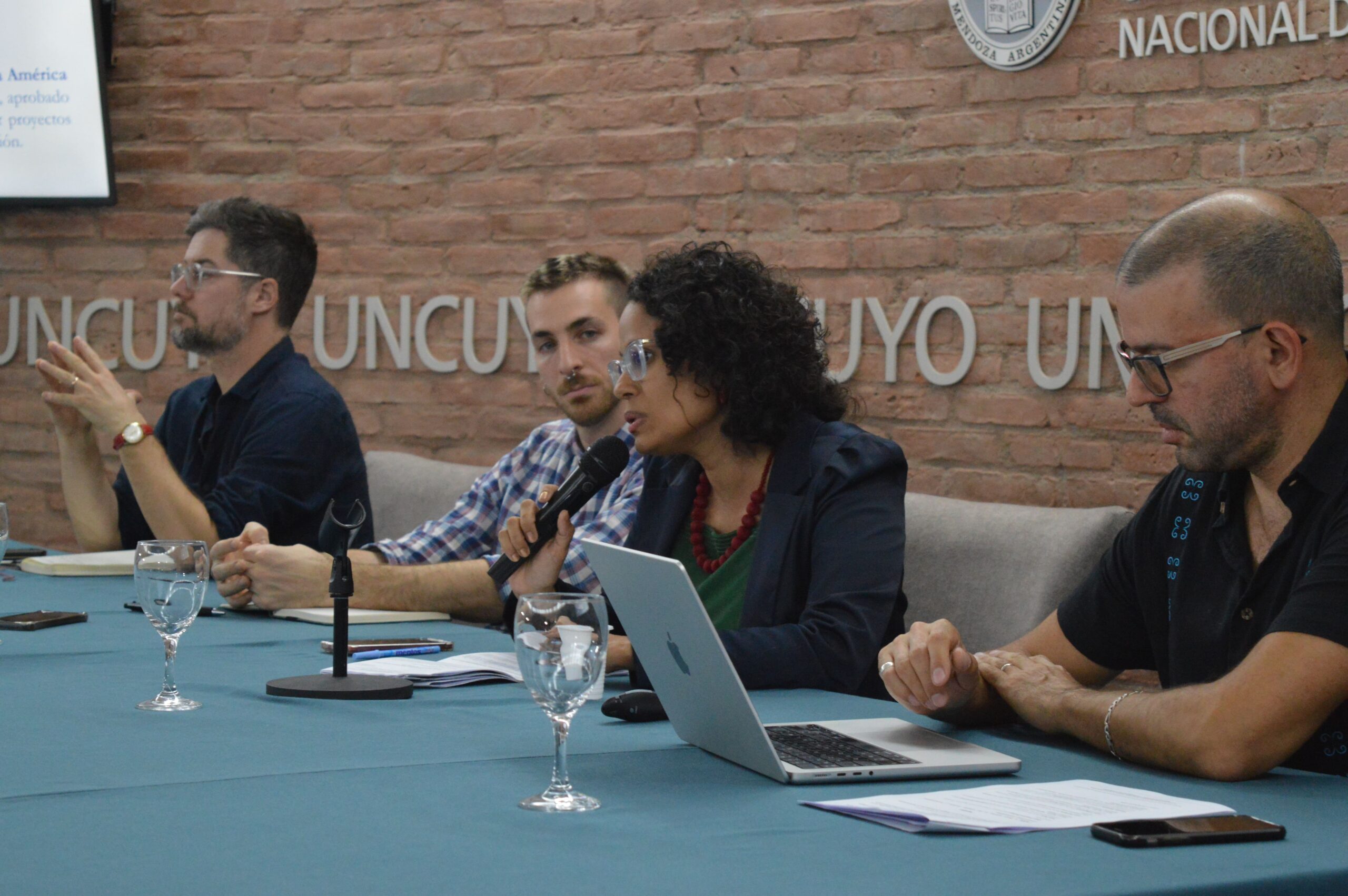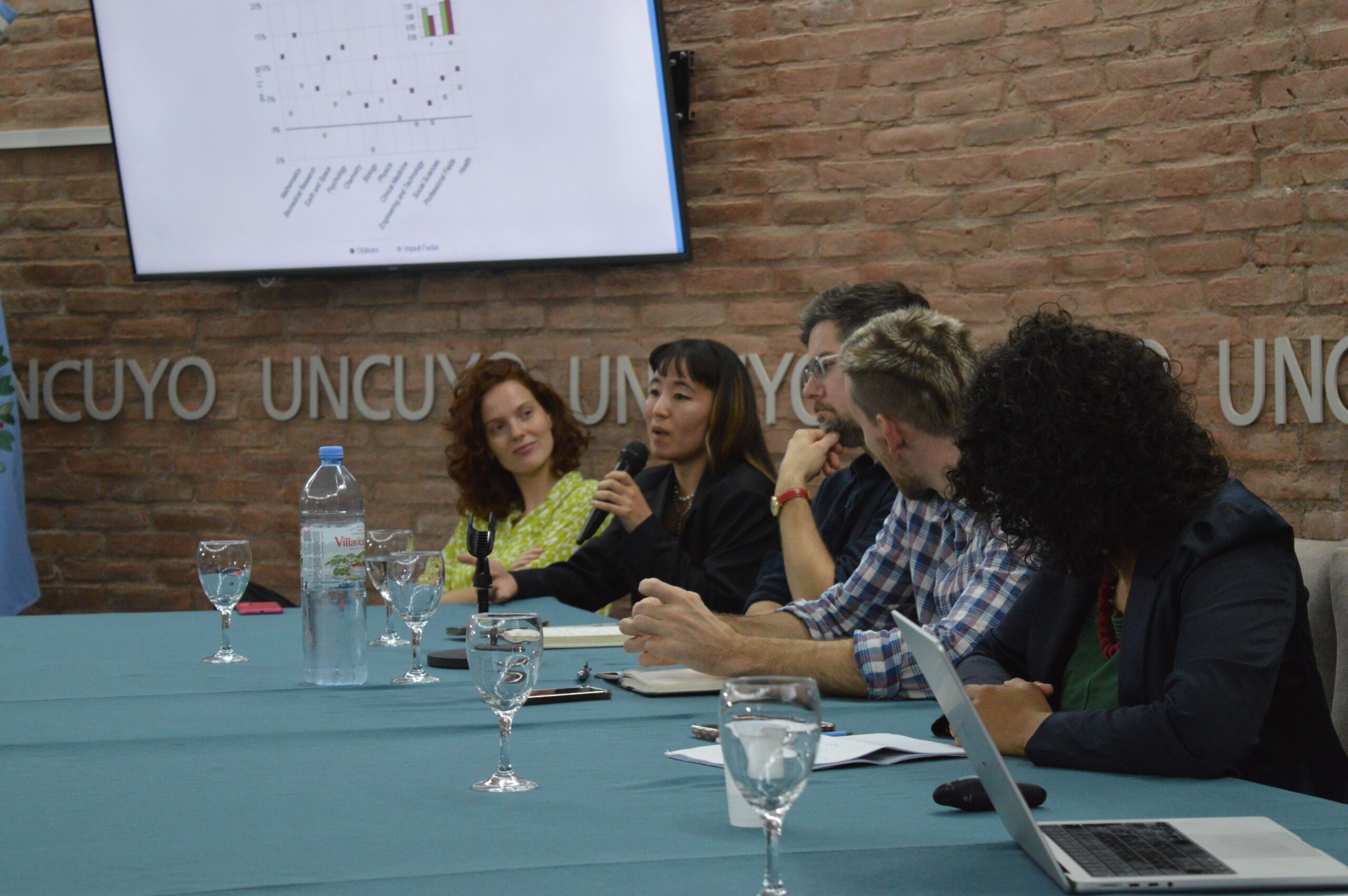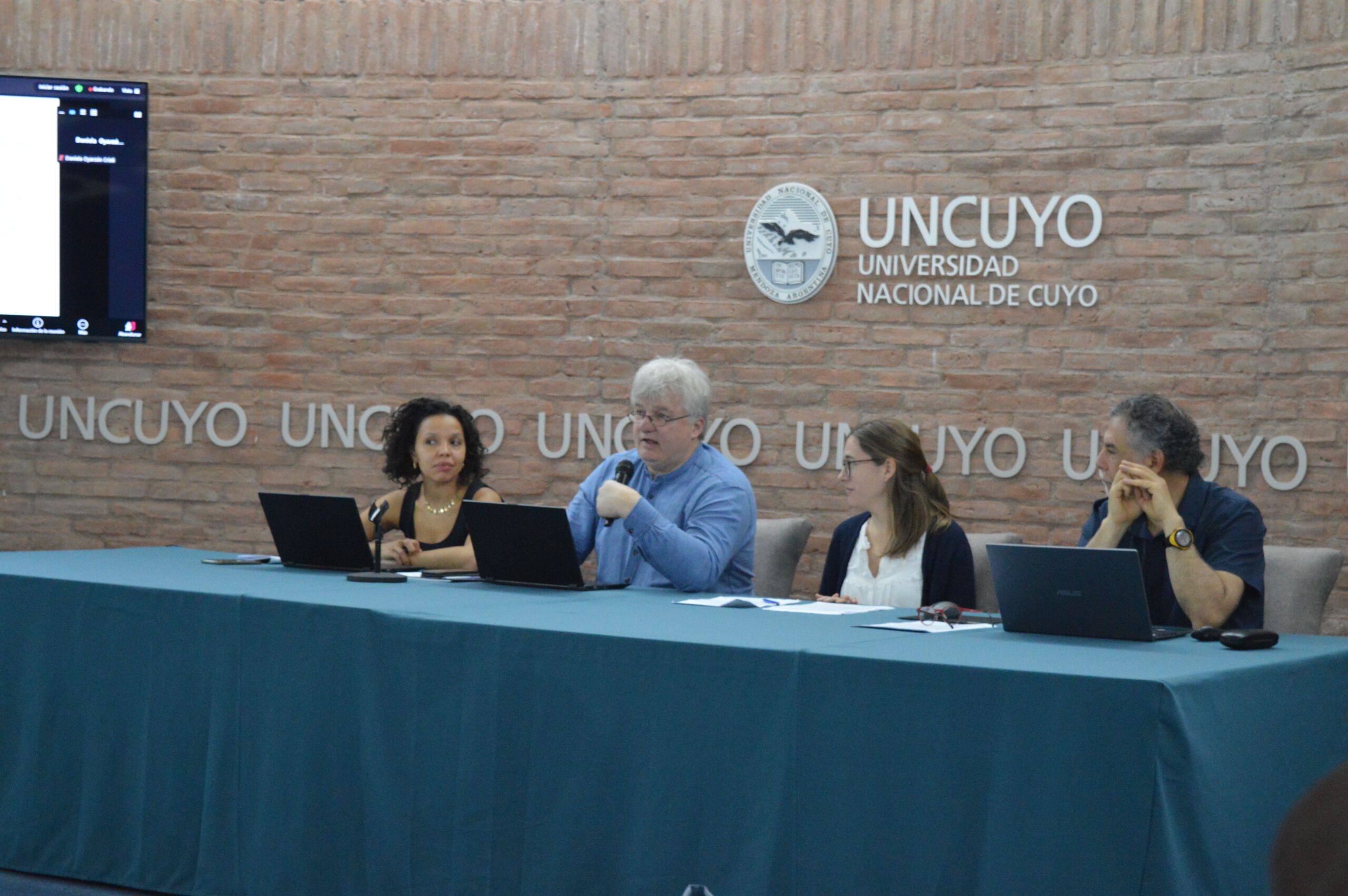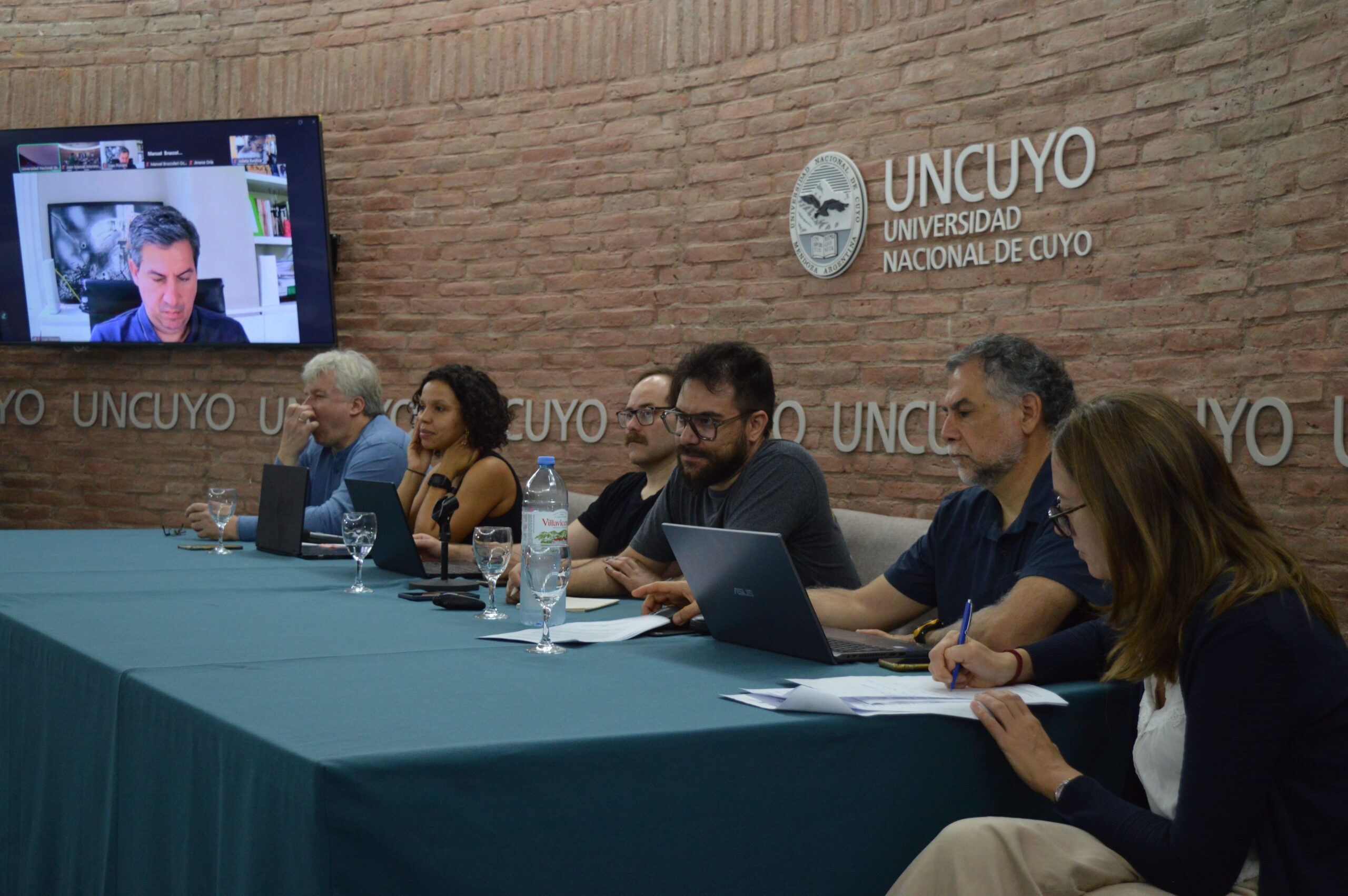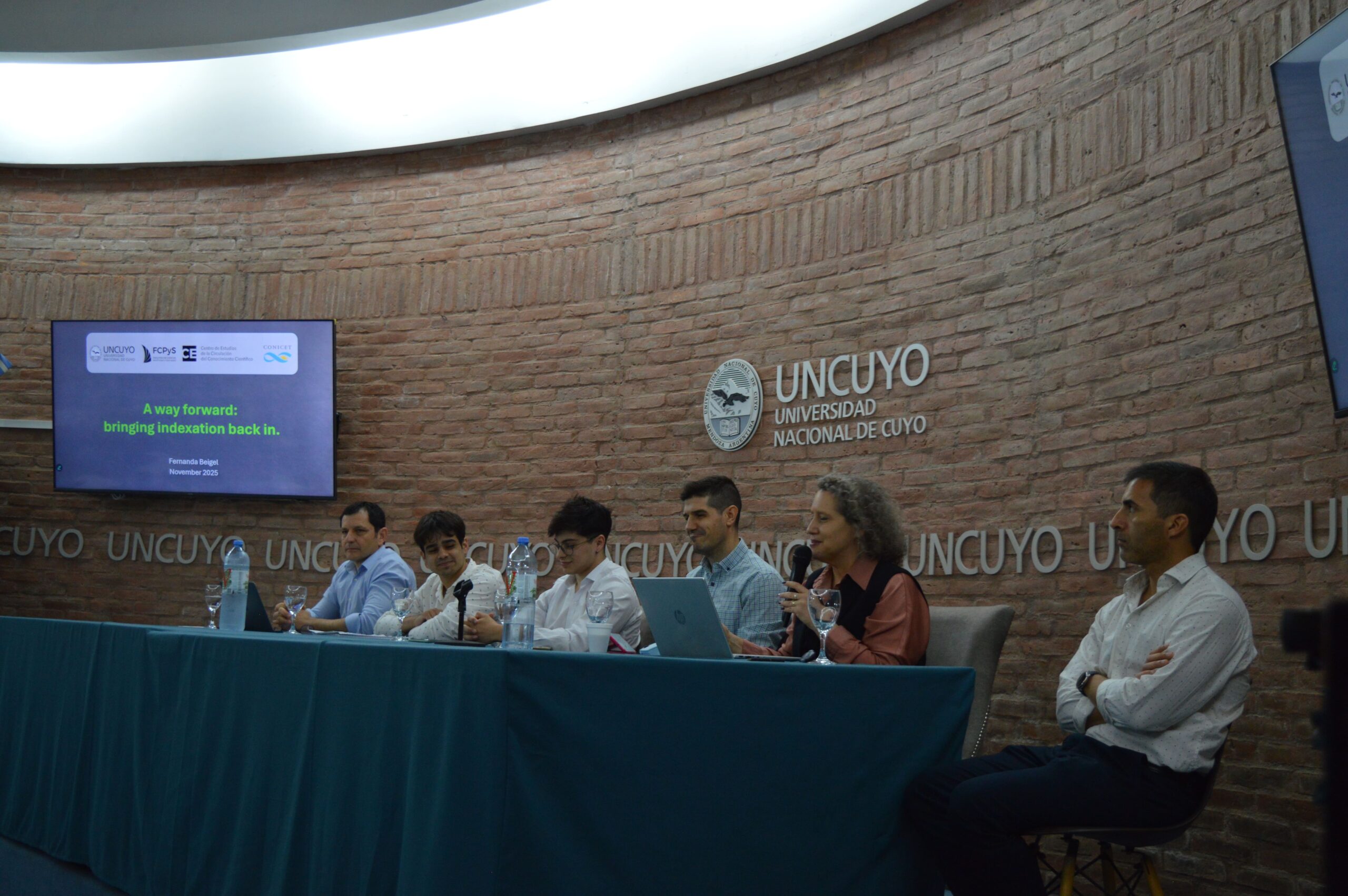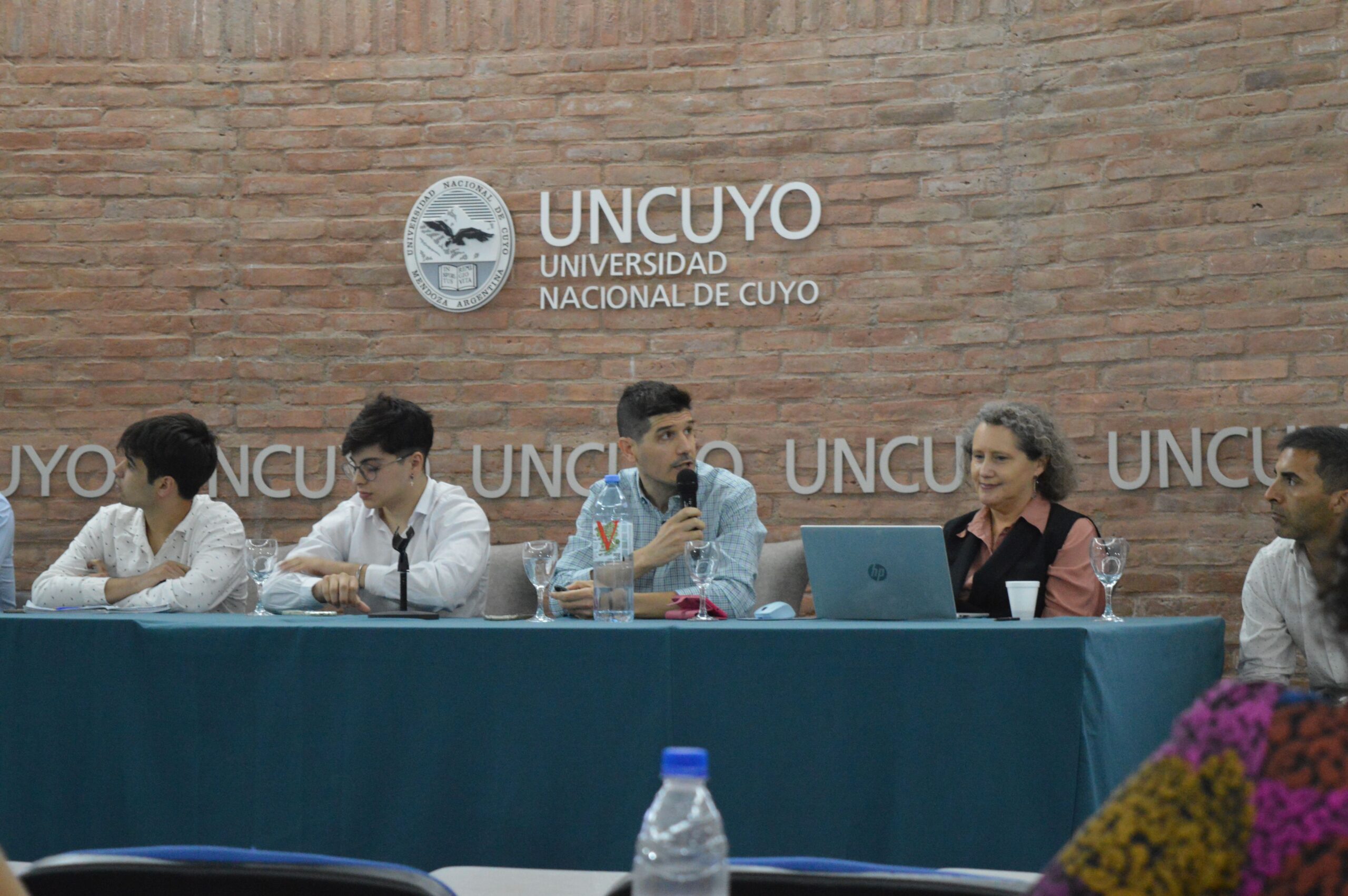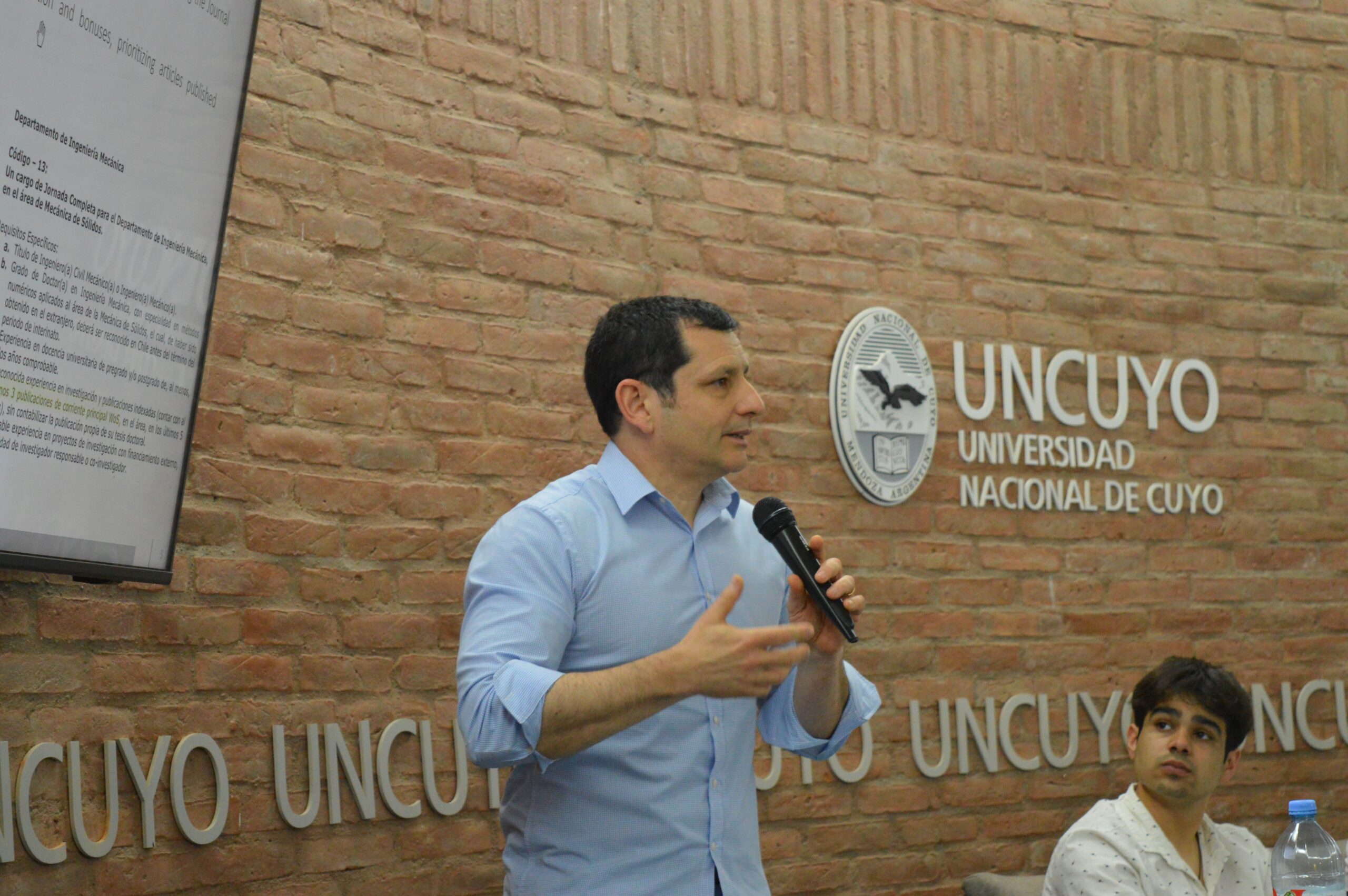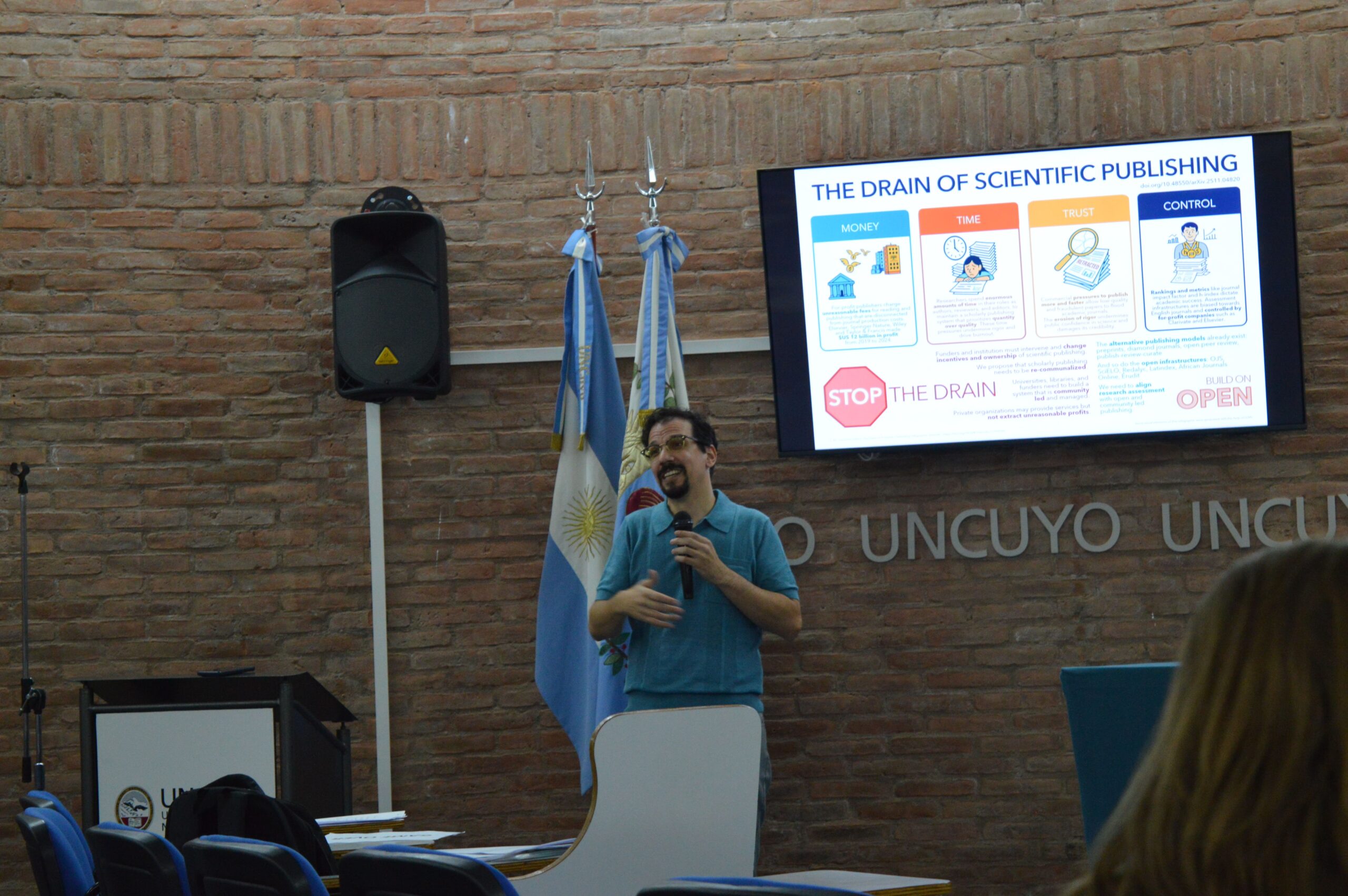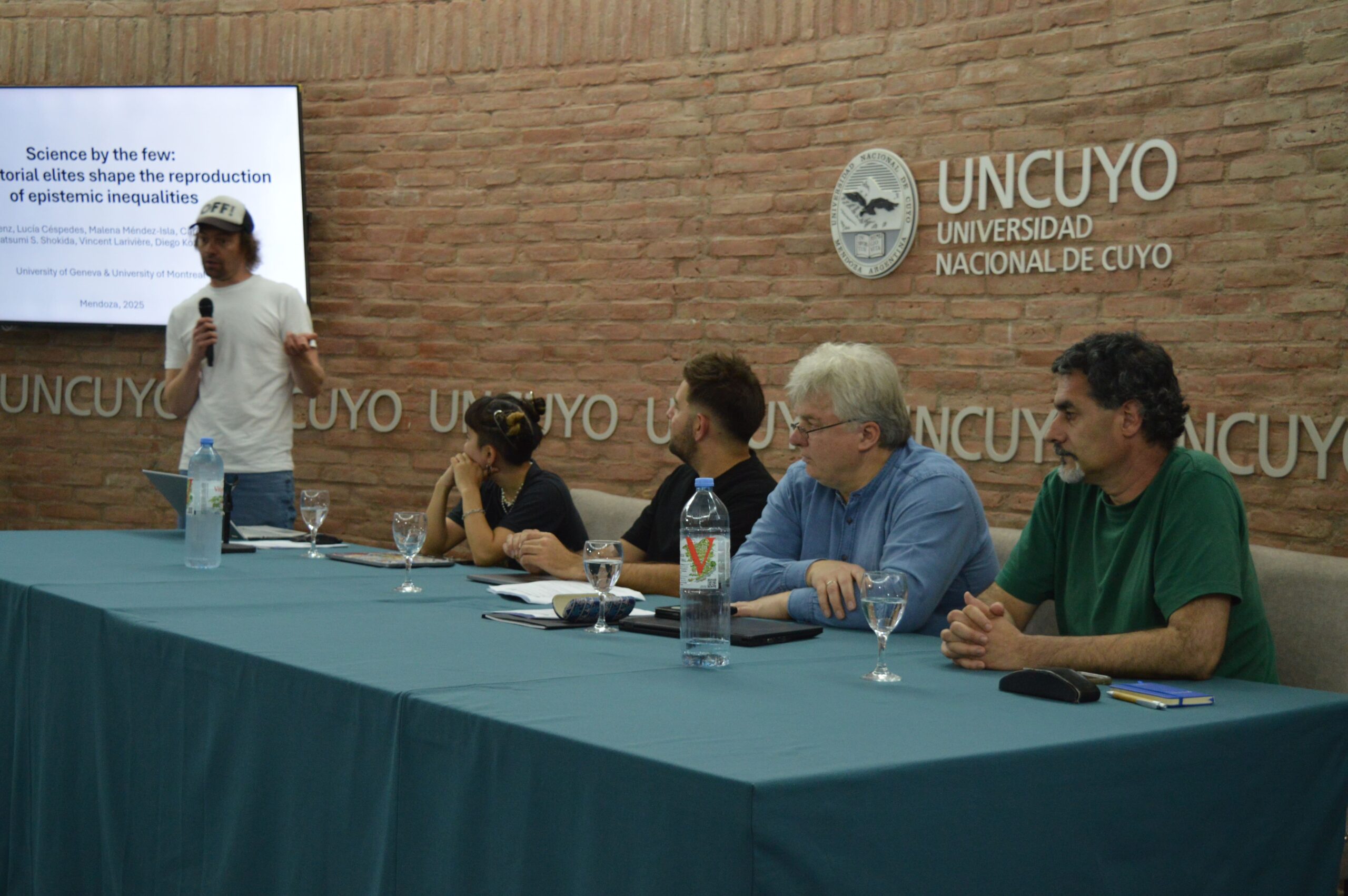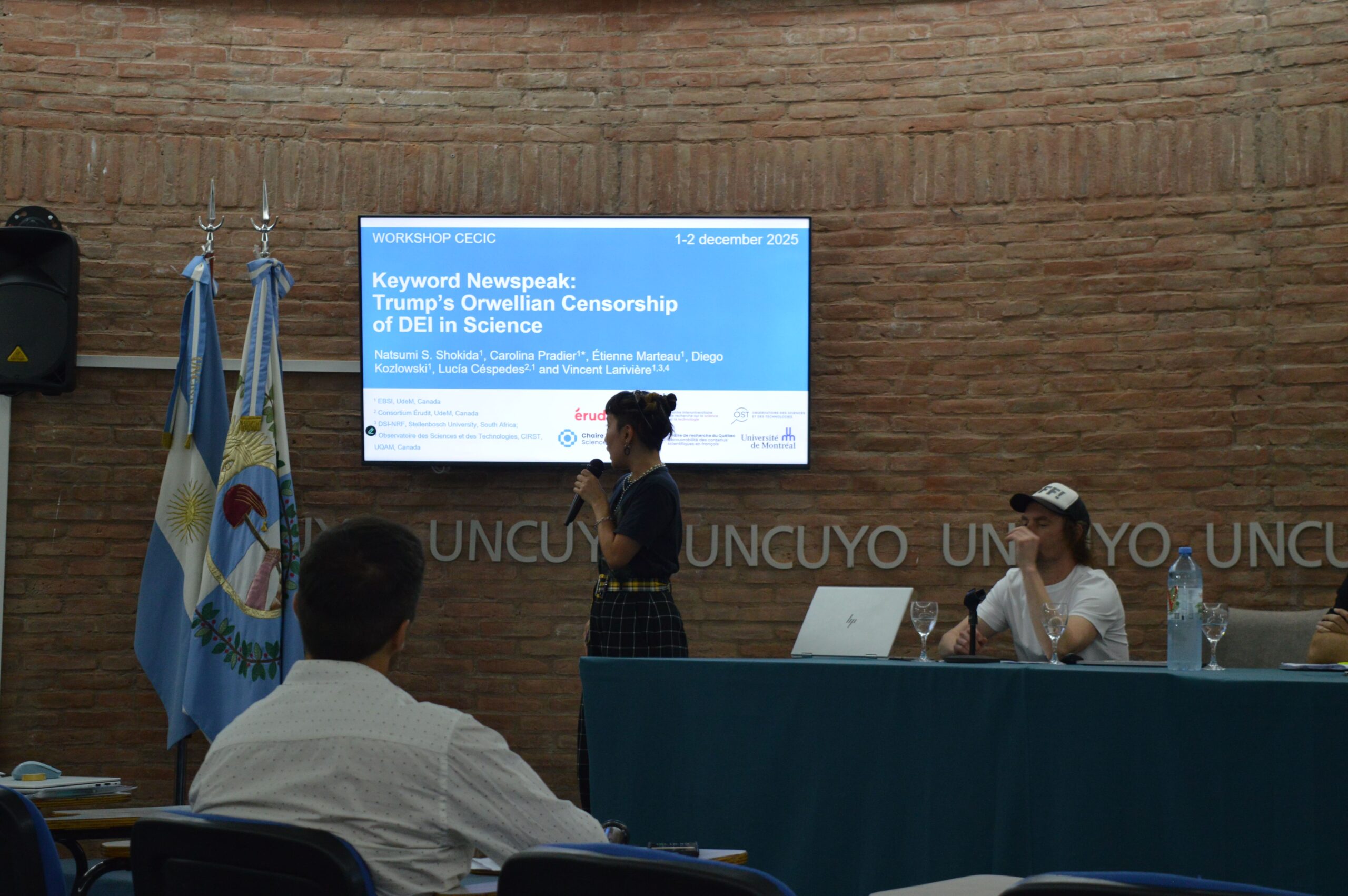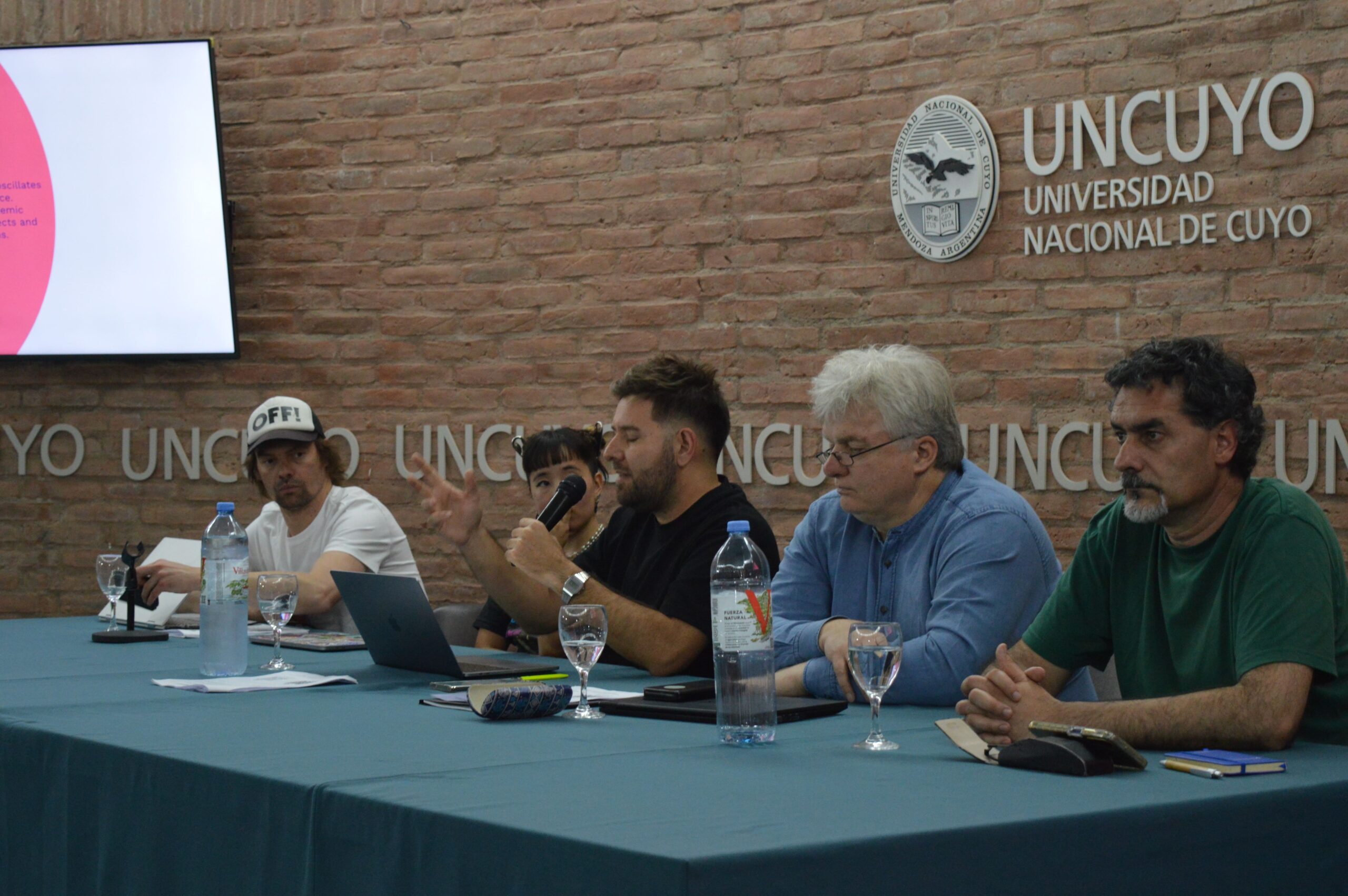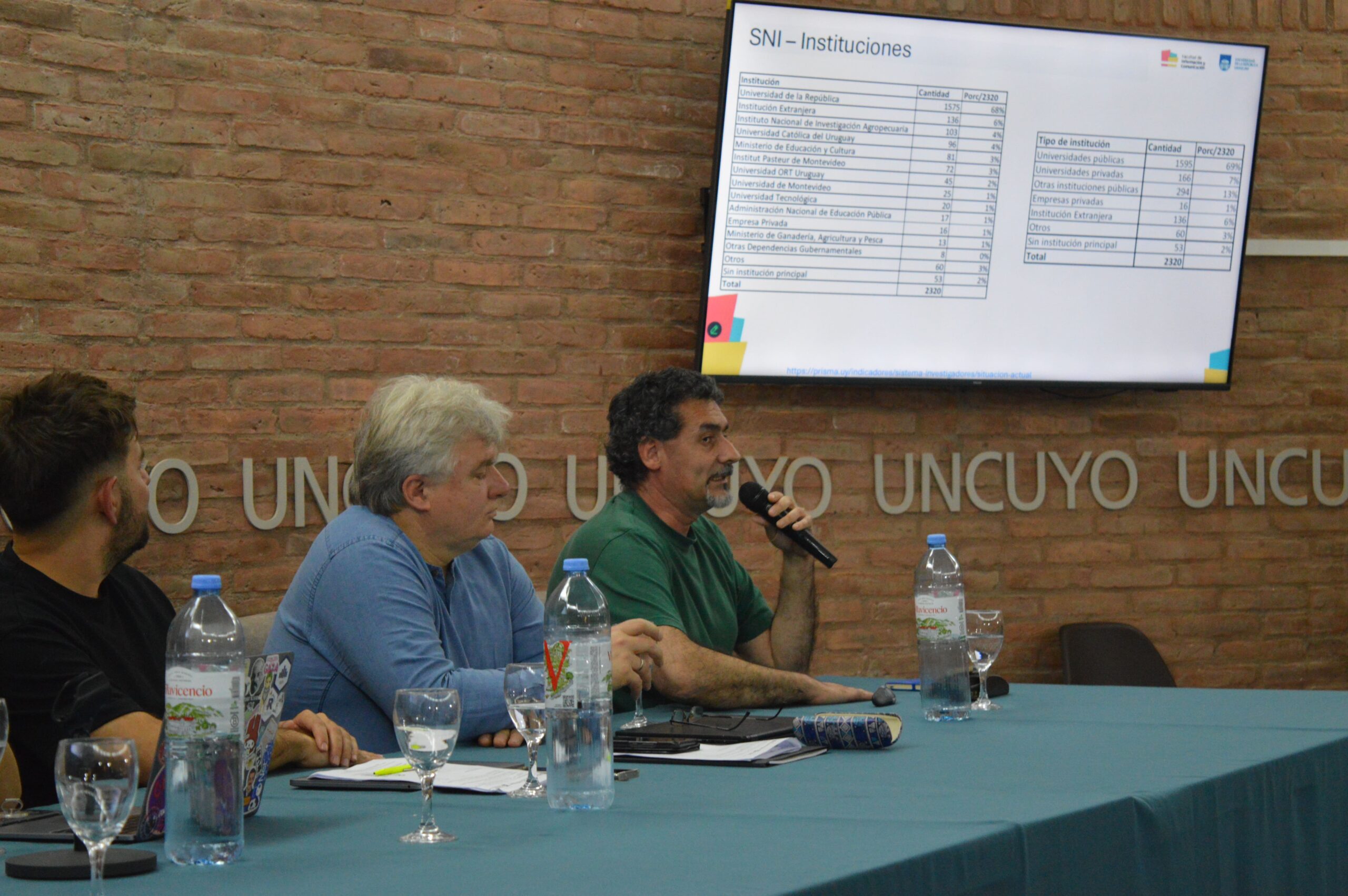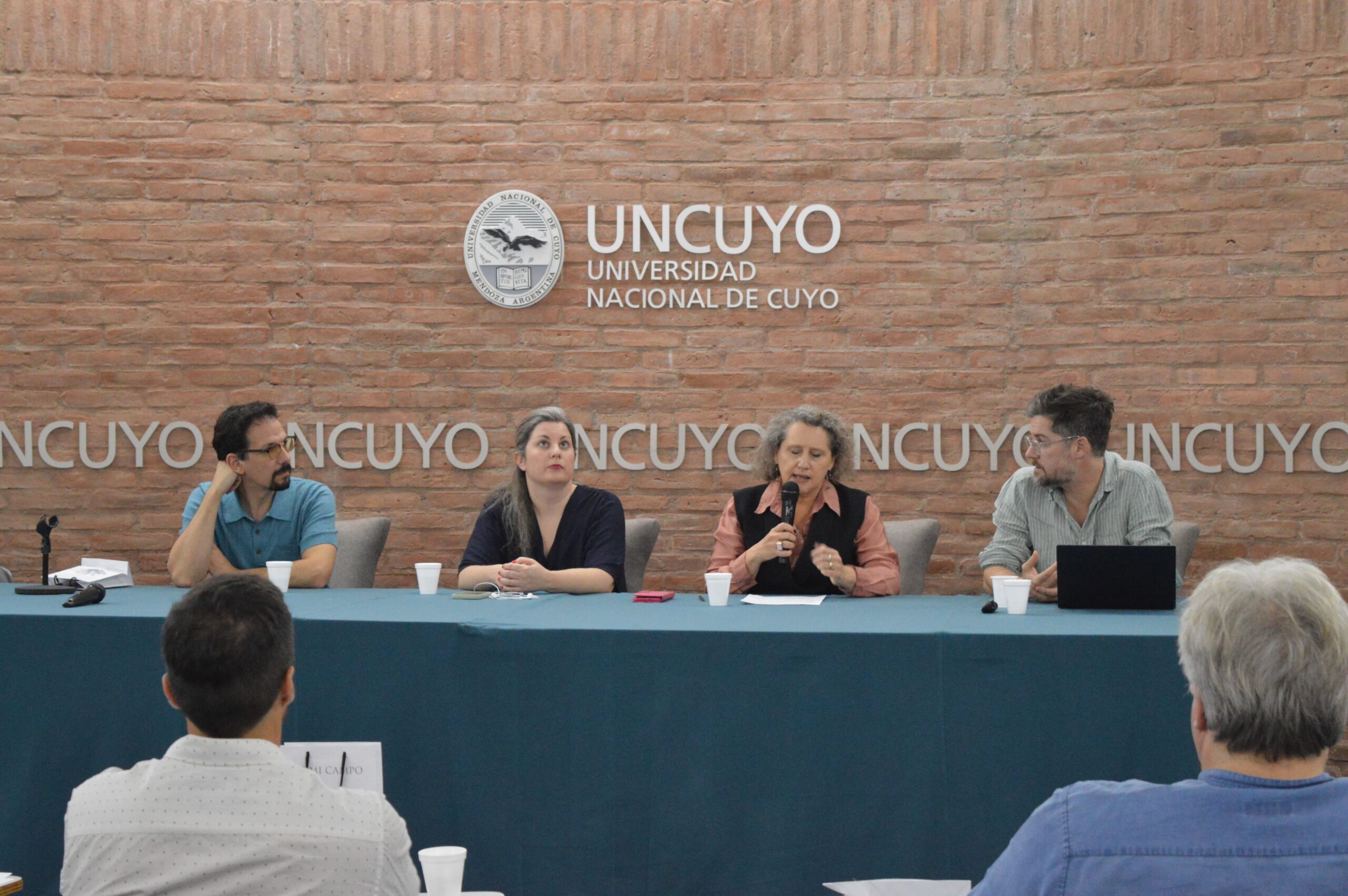
The scientific event will take place on December 2, 3, and 4, 2026. It will bring together specialists from around the world and teams from the international projects in which CECIC participates. It will feature specialists from more than 10 countries, with simultaneous English-Spanish translation provided. The event will be held in person, but will also be streamed via Zoom. Registration is open to the general public.
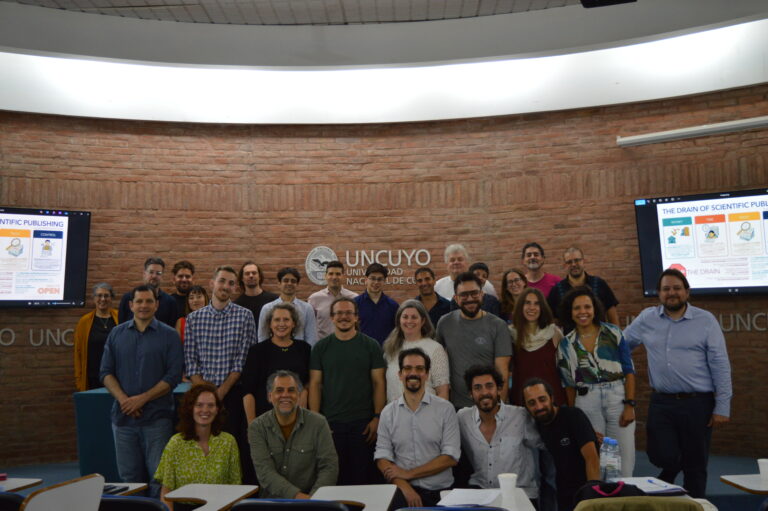
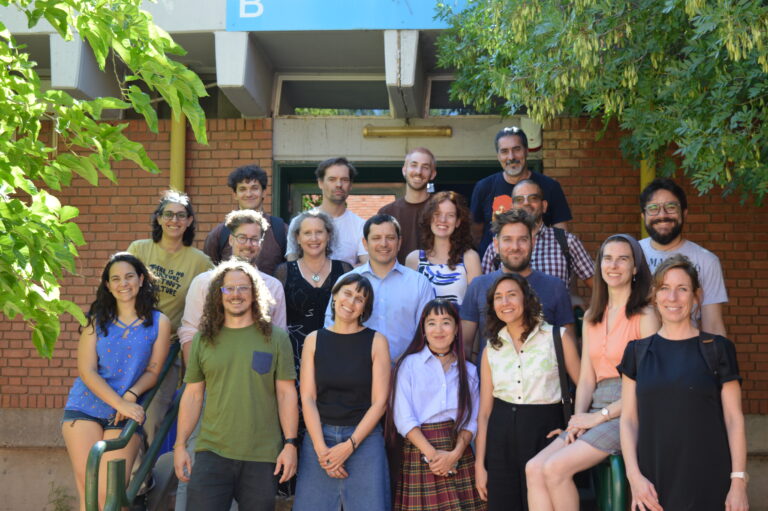
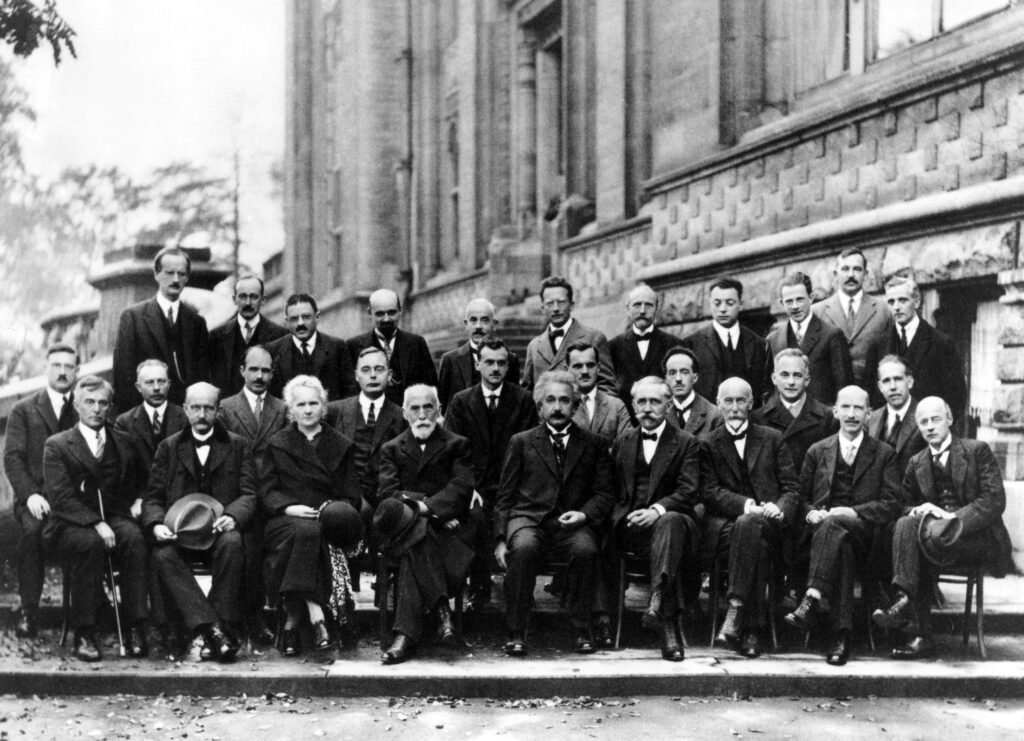
The workshop will welcome more than 40 scholars from various continents. Confirmed participants include: Vincent Larivière, Diego Kozlowski, Carolina Pradier, Natsumi Shokida, Malena Méndez Isla, Lucía Céspedes, Pierre Benz (University of Montreal, Canada); Julian Vuorimäki (Freie Universität Berlin, Germany); Barbara Göbel, Christoph Müller, Peter Birle (Ibero-American Institute, Germany); Juan Pablo Alperin (Simon Fraser University, Canada); Carolina De Volder (Argentine Center for Scientific and Technological Information, Argentina); Erwin Krauskopf (University of the Americas, Chile); Carolina Nascimiento (University College Dublin, Ireland); Gonzalo Villarreal, Enzo Rucci, Lautaro Josín, Ignacio Gallardo, Pablo de Albuquerque, Juan Cruz Mazullo (Hera-SEDICI, National University of La Plata, Argentina); Rosa Fermina Garcia Cossio (Andean Area University Foundation, Colombia); Paola Bongiovani (National University of Rosario, Argentina); Ezequiel Fontans, Natalia Aguirre (University of the Republic, Uruguay); Ismael Ràfols García (Polytechnic University of Valencia, Spain); Rodrigo Costas Comesaña (Leiden University, Netherlands); Alysson Fernandes Mazoni (State University of Campinas, Brazil); Jorge Polanco-Cortés (University of Costa Rica, Costa Rica); Daniela Perrota (University of Buenos Aires, Argentina); Niki Vermeulen, Soledad Ferrari (University of Edinburgh, Scotland); Janne Pölönen (Federation of Finnish Learned Societies, Finland); Gabriel Vélez-Cuartas (University of Antioquia, Colombia); as well as members of the CECIC team from various Argentine universities.
The presentations will be organized into 6 thematic panels, spread over 3 days:
- Panel 1 – The state of affairs in global, regional and national data sources and coverage studies
- Panel 2 – Scholarly publishing and gender asymmetries
- Panel 3 – Commercial versus community-led publishing: different routes of access or different fields?
- Panel 4 – The multiversatory and the open infrastructures for participatory analysis
- Panel 5 – Open data and digital sovereignty: challenges, asymmetries and resistances
- Panel 6 – Evaluation reform and multi-scalar governance