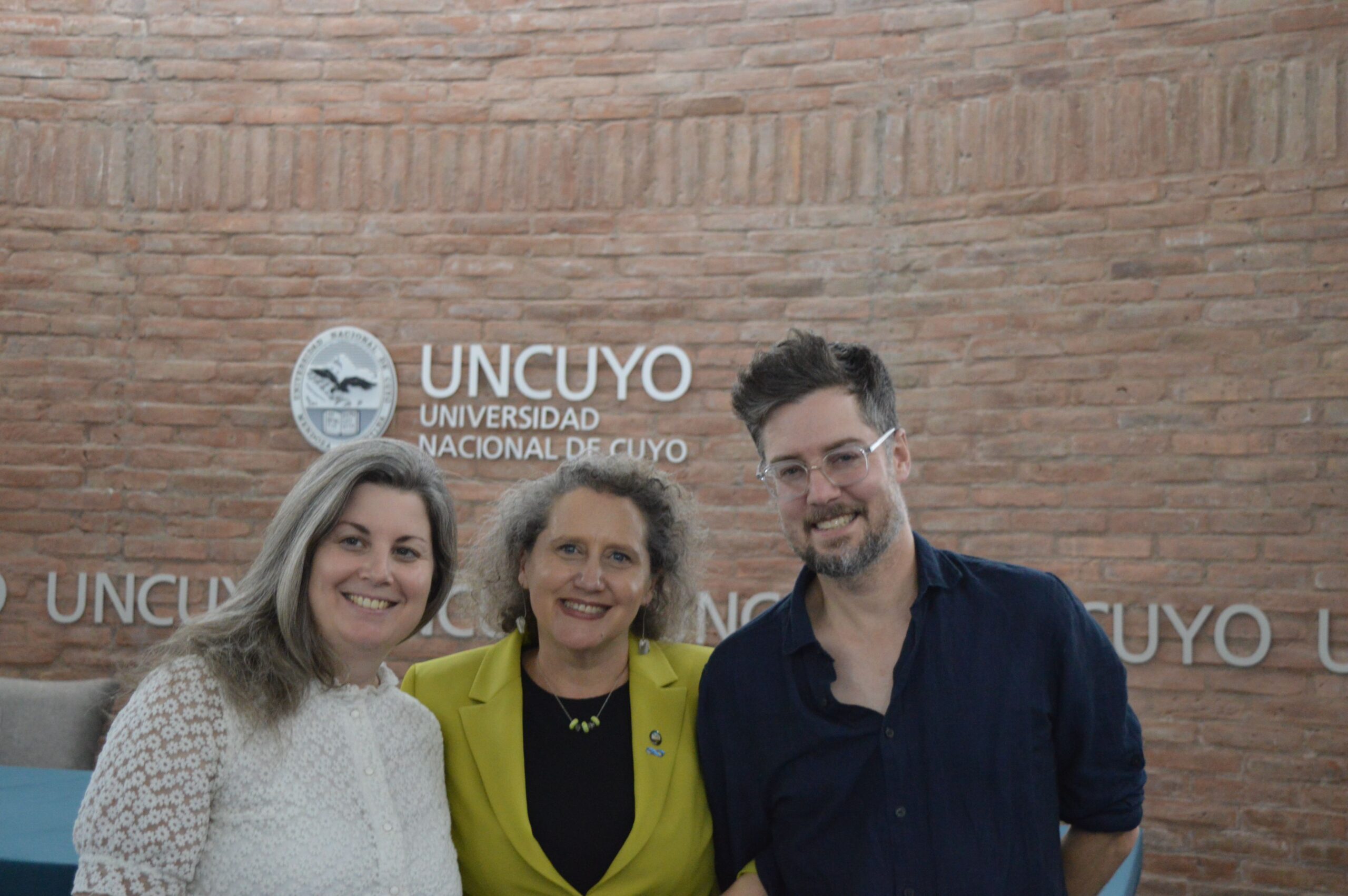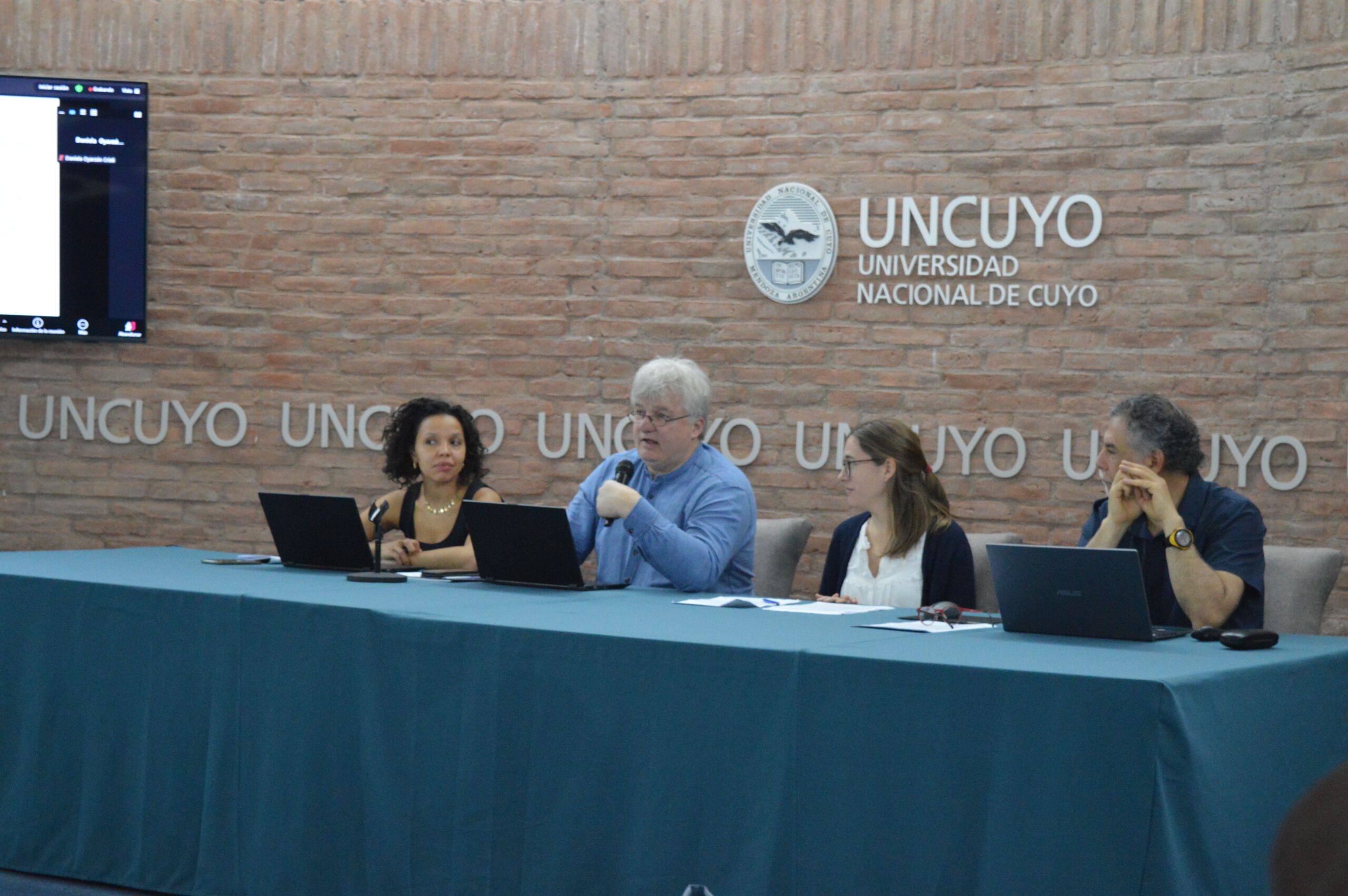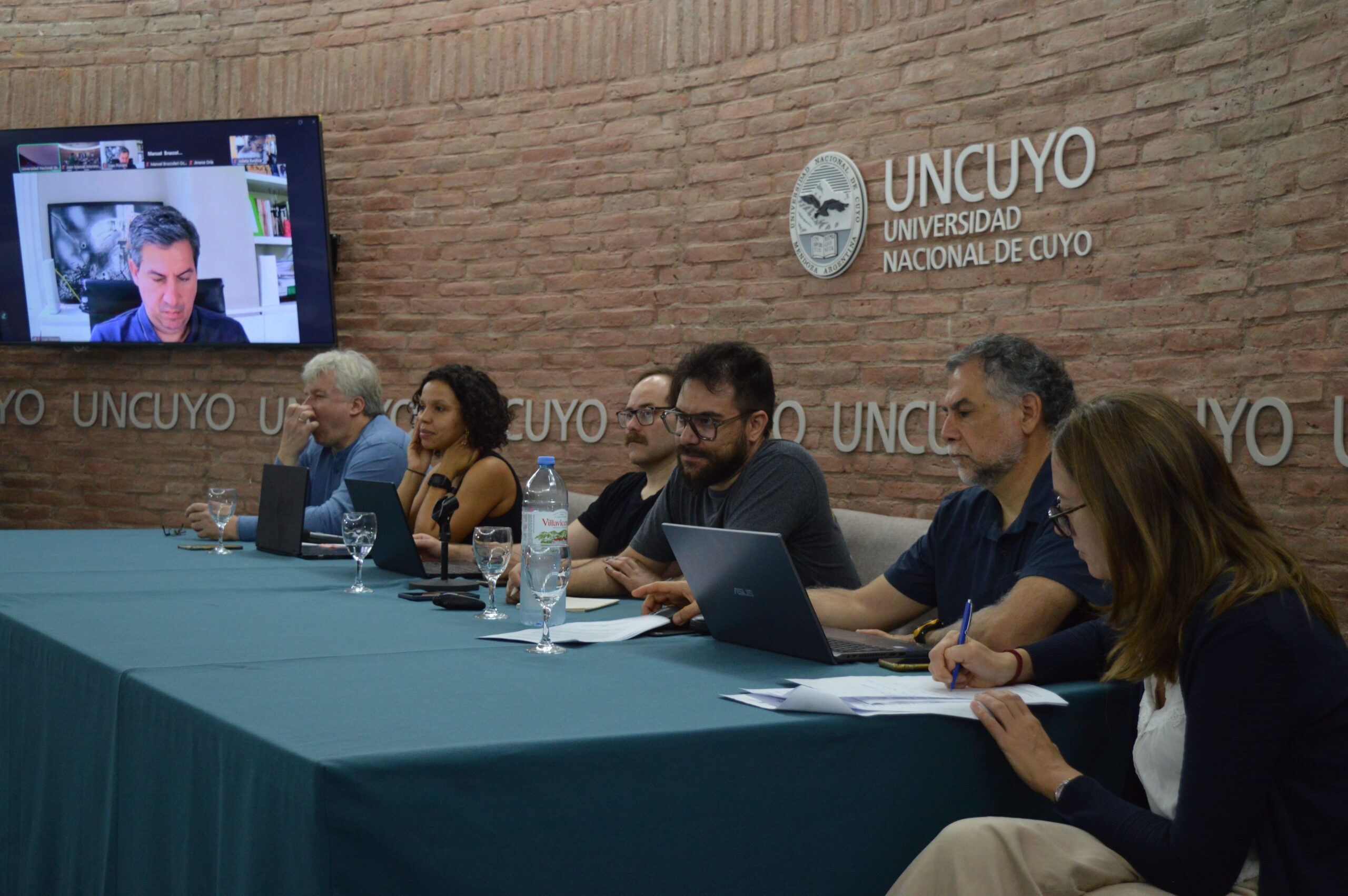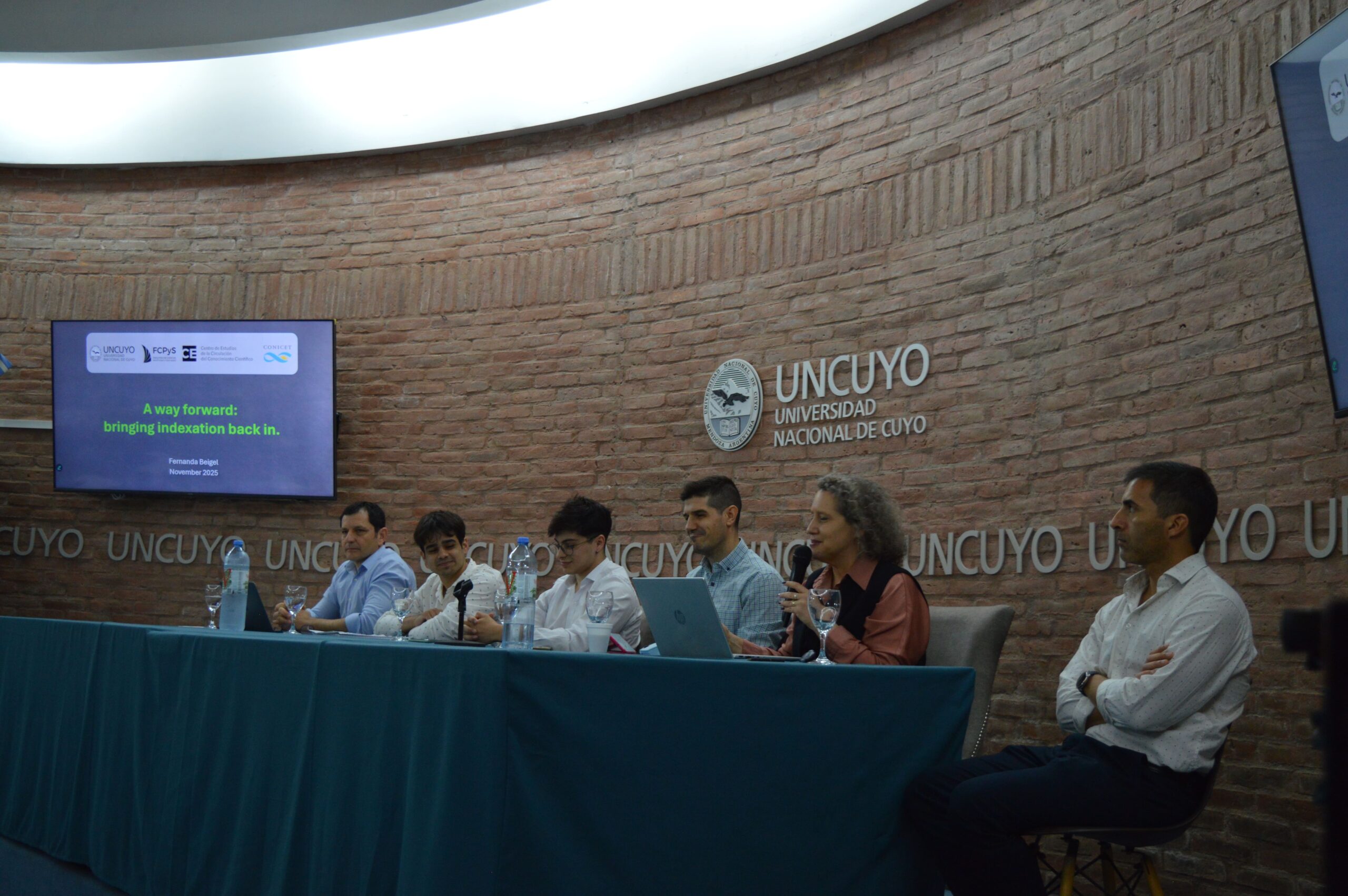
The OpenRAM Project was approved by the European Union’s HORIZON call for proposals. CECIC leads Work Package 3.

The Opening Research Assessment to Multi-Contexts (OpenRAM) project was approved by the Horizon Europe Framework Programme (HORIZON), under the call HORIZON-MSCA-2025-SE-01. The project will run for four years, starting in September 2026 and ending in late 2030. Technological developments in open scientific infrastructure, exchanges and mobility, as well as international academic events are planned at our Faculty.
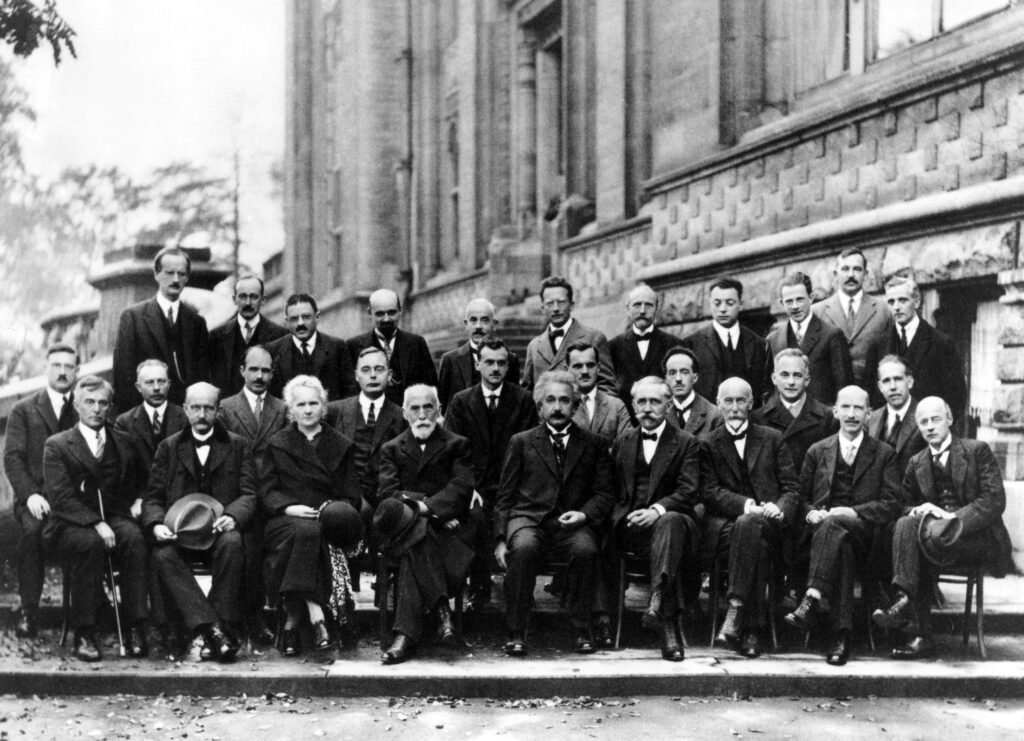
Solvay Conference (1927). Attended by Marie Curie, Albert Einstein, Niels Bohr, Werner Heisenberg and Erwin Schrödinger, among others.

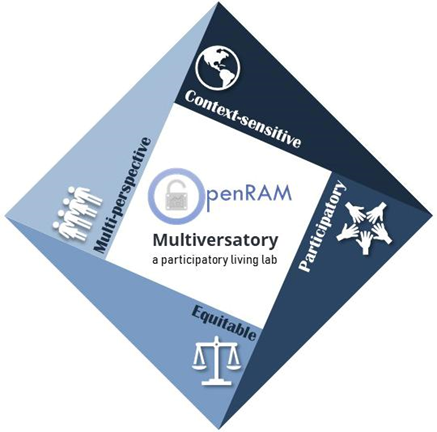
OpenRAM seeks to transform research assessment by moving beyond publication-based indicators such as Journal Impact Factor and addressing their systemic biases. Current systems often overlook societal impact, undervalue diverse outputs like datasets or policy contributions, and marginalize knowledge from underrepresented regions. To respond to these challenges, OpenRAM introduces the Multiversatory, a participatory and federated living lab that integrates diverse data sources and develops context-sensitive indicators. The Multiversatory combines conceptual development, empirical case studies, and capacity building to create fairer and more transparent assessment practices. It promotes inclusive and participatory approaches, addresses epistemic inequities by making visible diverse knowledge systems, and fosters equitable collaborations between the Global North and South. Case studies will explore career assessment, institutional evaluation, and national research systems, testing how plural and conditional metrics can be applied across different contexts. By aligning with global initiatives such as DORA, the Leiden Manifesto, CoARA, the project operationalises responsible assessment principles through open infrastructures and participatory methodologies. Its interdisciplinary consortium, spanning Europe, Latin America, and Africa, will collaborate through secondments, peer learning, and training activities, ensuring that outputs are transferable and sustainable. OpenRAM will produce federated open infrastructures, participatory frameworks, and multilingual training programmes that strengthen the visibility of diverse research contributions. Scientifically it widens what counts in evaluation, economically it reduces dependence on proprietary systems through open tools, and societally it supports more equitable recognition of research aligned with local and global challenges. In doing so, OpenRAM aims to deliver practical frameworks that make responsible research assessment a reality.

WP3 investigates data practices and research assessment through experiences (case studies, technical implementations and participatory actions) on local governance observing epistemic equity, and equal partnerships, addressing the complexities of multi-scalar interactions in research evaluation systems. The work package comprises three interconnected tasks:

By integrating these components, WP3 aims to provide actionable insights and tools to democratize research evaluation and enhance global equity in knowledge production. The outcomes will feed into broader frameworks for federated infrastructures, contributing to the project’s overarching goal of opening research assessments to multicontextual considerations.

N.partnerCountry
1HACETTEPE UNIVERSITESITurkey
2UNIVERSITEIT LEIDENNetherlands
3SIRIS ACADEMIC SLSpain
4THE UNIVERSITY OF EDINBURGHUnited Kingdom
5AGENCIA ESTATAL CONSEJO SUPERIOR DE INVESTIGACIONES CIENTIFICASSpain
6TIETEELLISTEN SEURAIN VALTUUSKUNNASTAFinland
7UNIVERSIDAD DE COSTA RICACosta Rica
8UNIVERSIDAD NACIONAL DE CUYOArgentina
9University of Campinas – UNICAMPBrazil
10UNIVERSIDAD DE ANTIOQUIAColombia
11STELLENBOSCH UNIVERSITYSouth Africa
12CONSEJO LATINOAMERICANO DE CIENCIAS SOCIALES ASSOCIACION CIVILArgentina

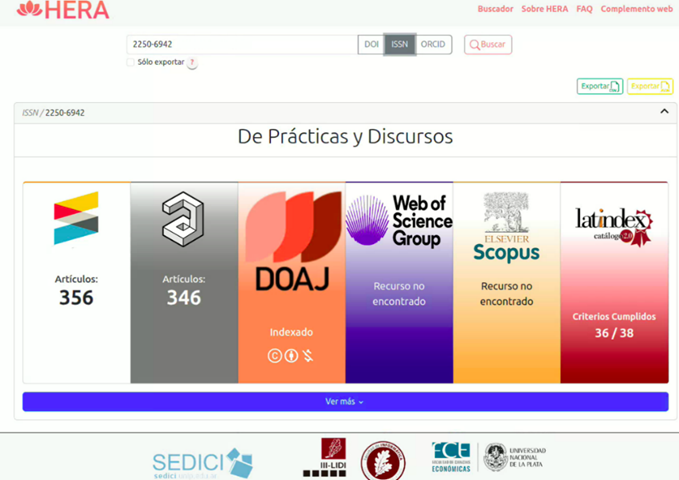
Latindex-HERA-CECIC synergy fosters Open Science

Within the framework of two initiatives funded by the European Union—Diamond Future (Berlin University Alliance) and the Marie Skłodowska-Curie Actions program (Horizon Europe)—the teams at Latindex (National Autonomous University of Mexico), HERA (National University of La Plata), and OLIVA-CECIC (National University of Cuyo) are consolidating a collaboration aimed at promoting open, non-commercial infrastructures. This alliance promotes innovative tools and metrics to transform research evaluation, with a focus on high-quality regional journals.

The novelty is the inclusion of Latindex as a source and resource for the HERA (Tool for the Enrichment of Academic Resources) platform, which substantially expands the visibility of the Latindex 2.0 Catalog and strengthens its impact on search, evaluation, and recognition circuits for regional scientific production. The collaborative technical development consists of a system of equivalencies between the URL (identified with a “folio” in Latindex) and the ISSN of each journal, allowing searches in HERA by ISSN and incorporating the reports generated into Latindex.

This advance strengthens immediate interoperability and facilitates more consistent access from external tools, expanding the number of users who can find these journals. New stages of joint work are planned to expand the harvest of the Latindex article discoverer.

Access the explanatory video:

https://drive.google.com/file/d/1ZEAFxW4wN2YpFYRSr9q8lHHV2sPff68Y/view?usp=drive_link

This collaboration is directly aligned with the Sustainable Development Goal (SDG) 17 (Partnerships for the Goals), which fosters revitalizing global partnerships for sustainable development through multi-stakeholder cooperation. The Latindex-HERA-CECIC alliance, based on three public universities in Latin America and supported by Horizon Europe, exemplifies cooperation that mobilizes the exchange of knowledge, technical capacity, and technology to strengthen open academic infrastructures. It also contributes to SDG 9 (Industry, Innovation and Infrastructure) through this collaborative technological solution—the URL-ISSN system—which improves scientific information infrastructure, fosters innovation in research evaluation methods, and especially supports regional production.

This collaborative work is part of a shared diagnosis among the three universities involved. A significant portion of quality journals—non-commercial, self-managed by academic communities, and aligned with diamond open access—are not adequately collected by global aggregators. In this context, facilitating access to the rich information in the Latindex 2.0 Catalog (including criteria met/not met) is strategic for information science, bibliometric studies, scientific evaluation, and public policy.

CECIC Member to Give a Presentation at Humboldt University of Berlin

Next Wednesday, January 28, at 6 a.m. Argentina time, Osvaldo Gallardo will present “A quantitative and qualitative approach to the political economy of scientific publications in a challenging context. Argentine researchers and article processing charges (APCs): bibliometrics, representations, and practices.” The event will be held in person at Humboldt University in Berlin, with transmission via Zoom.

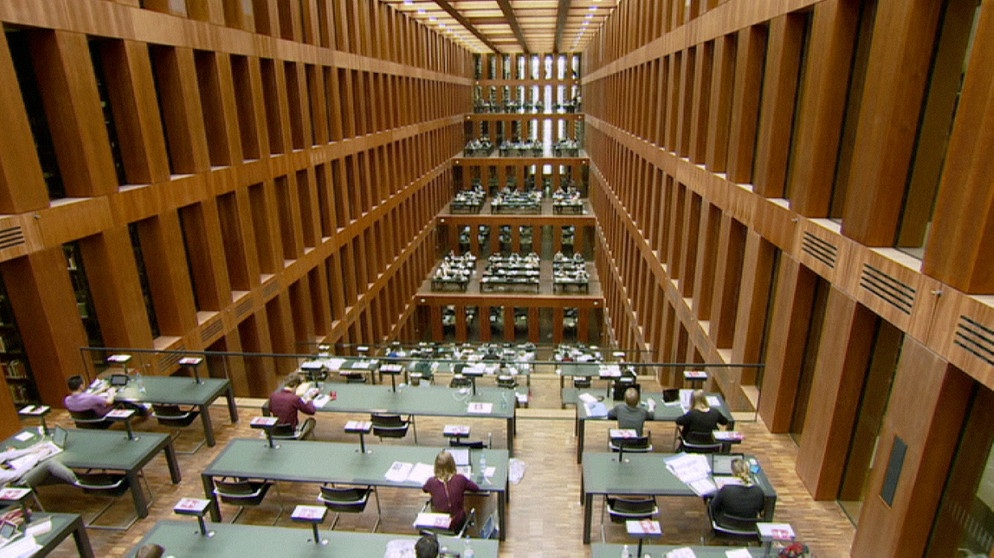
Campus of Humboldt University of Berlin

Globally, concerns are rising about the profit-driven scientific publishing model, which, under the guise of (commercial) Open Access, continually increases the Article Processing Charges (APCs) required to publish in an ever-growing number of scientific journals. In Argentina, the scientific community faces intense pressure from ongoing government attacks and substantial budget cuts. In this challenging context, how are researchers’ practices and perceptions evolving?

In the first part of this presentation, I share the results of a research project examining the impact and practices of researchers in peripheral countries who regularly face the challenge of paying APCs. Based on a survey conducted between 2023 and 2024 in Argentina, South Africa, Mexico, and Brazil, I briefly highlight the differences across countries, disciplines, and between junior and senior researchers.

In the second part, I present preliminary results from a more focused analysis. From a Bourdieu-inspired perspective, the distinctive aspects of the Argentine case offer a rich opportunity to reflect on how local and global conditions influence the position and disposition of researchers under political and academic pressures. To do this, I examine three analytical dimensions: 1) whether Argentine-based researchers’ publication practices have changed (or not) in recent years, using open bibliometric sources; 2) the waivers policy of the main profit-oriented publishing companies for these authors; and 3) the researchers’ perspective on the APC-based publishing model in 2023, on the eve of the far-right government’s start, and the evolving (or unchanged) practices and viewpoints after two years of threats and budget cuts.

Link de Zoom

https://hu-berlin.zoom-x.de/j/66137712462?pwd=bTF4VG9Ca1BxMkFqOE9xTFZxYldWQT09
Meeting-ID: 661 3771 2462

CECIC participates in the organization of the Forum on Decolonization in Istanbul

In a world where global asymmetries and epistemic injustice have become unmistakably visible, critical reflection on knowledge hierarchies has become increasingly urgent. The Decolonization Forum 2026: Decolonizing Knowledge Production and Circulation aims to bring together scholars, researchers, and intellectuals from around the world to critically examine dominant paradigms, share alternative frameworks rooted in local and indigenous knowledge, and envision decolonial futures across disciplines.

Decolonization Forum_1-1
previous arrow
next arrow

Flyer for the event and meeting of the forum’s academic committee on December 30, 2025.

The event has the academic endorsement of the Board of Directors of the Faculty of Political and Social Sciences. The two-day forum will feature a keynote speech, plenary sessions, and parallel sessions along with an interactive “Decolonization Talks” series. By combining plenary and thematic formats, the programme seeks to foster both in-depth scholarly debate and cross-disciplinary exchange.


The plenary sessions at the forum will address four interrelated thematic areas:

  • The Problem of Knowledge Production: Decolonizing Methodologies Knowledge Production and Circulation in Higher Education
  • Decolonizing Media: Disrupting Hegemonic Narratives
  • From Epistemic Dependency to Economic Sovereignty: Rethinking Development Models

Alongside these plenary sessions, the forum will host six parallel academic sessions. Scholars are invited to submit abstracts for these sessions on a broader range of related topics.


Critical Themes


We encourage a broad range of theoretical, empirical, and methodological contributions that address, but are not limited to, the following themes:

  • Colonial Histories of Knowledge Circulation
  • Epistemic Injustice and Knowledge Inequalities
  • Alternative Genealogies of Knowledge
  • Mobility of Knowledge Across Borders
  • Decolonizing the Disciplines: Social Sciences, Humanities and Beyond
  • Methodologies for Decolonized Knowledge Production
  • Decolonizing Research Agenda and Ecosystem
  • Knowledge and Power in the Digital Age
  • Knowledge Circulation for Decolonization

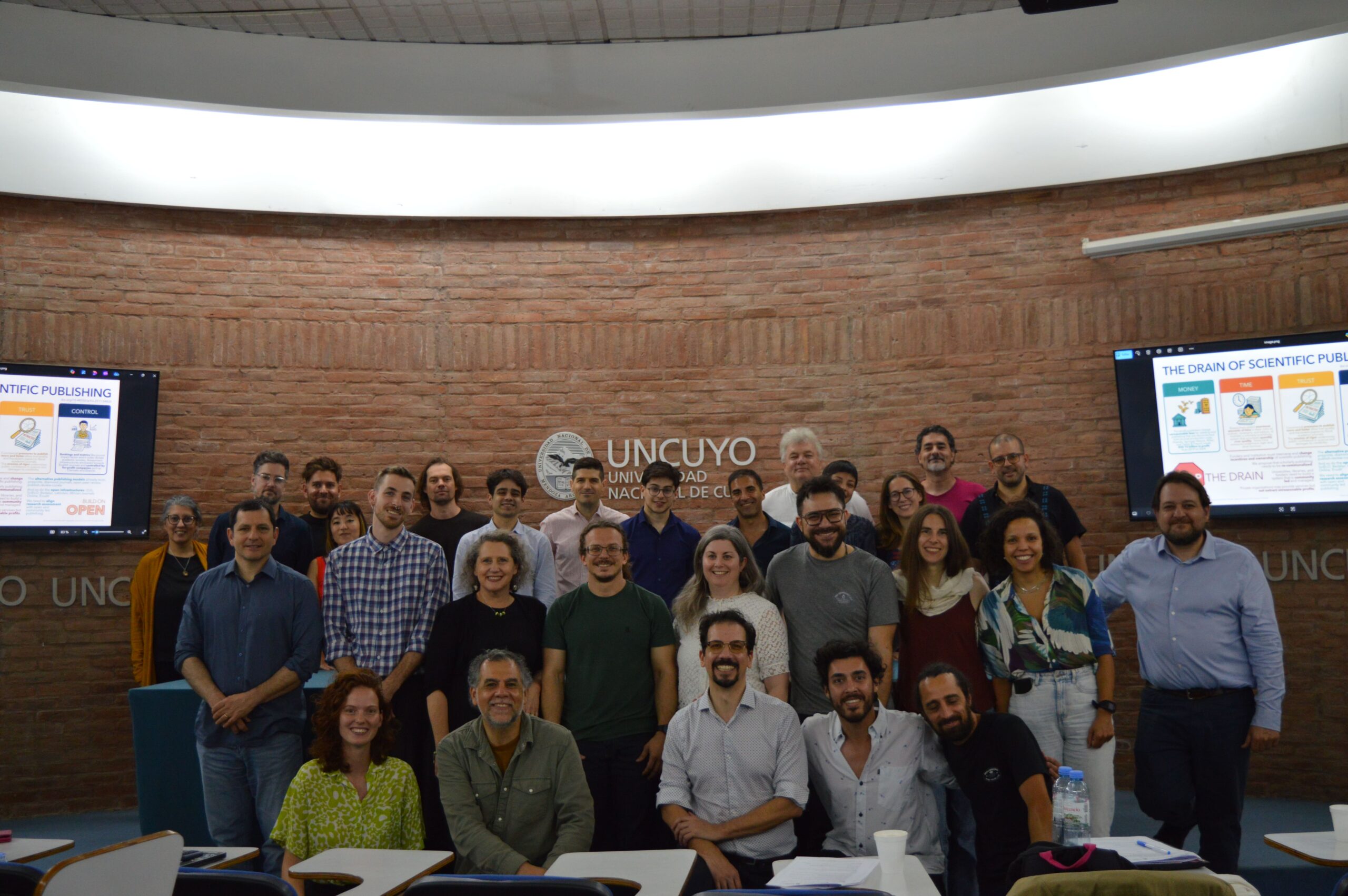
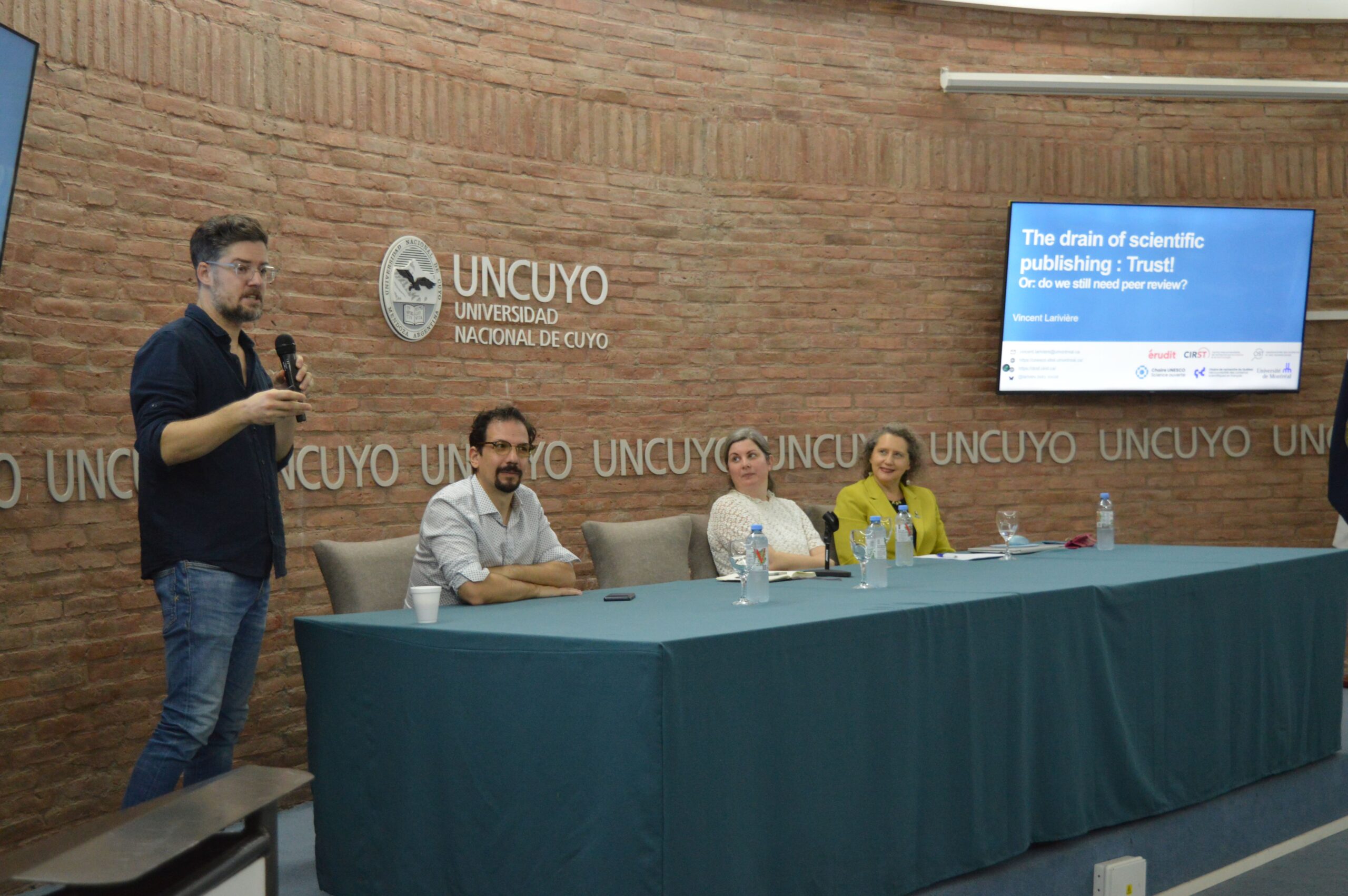
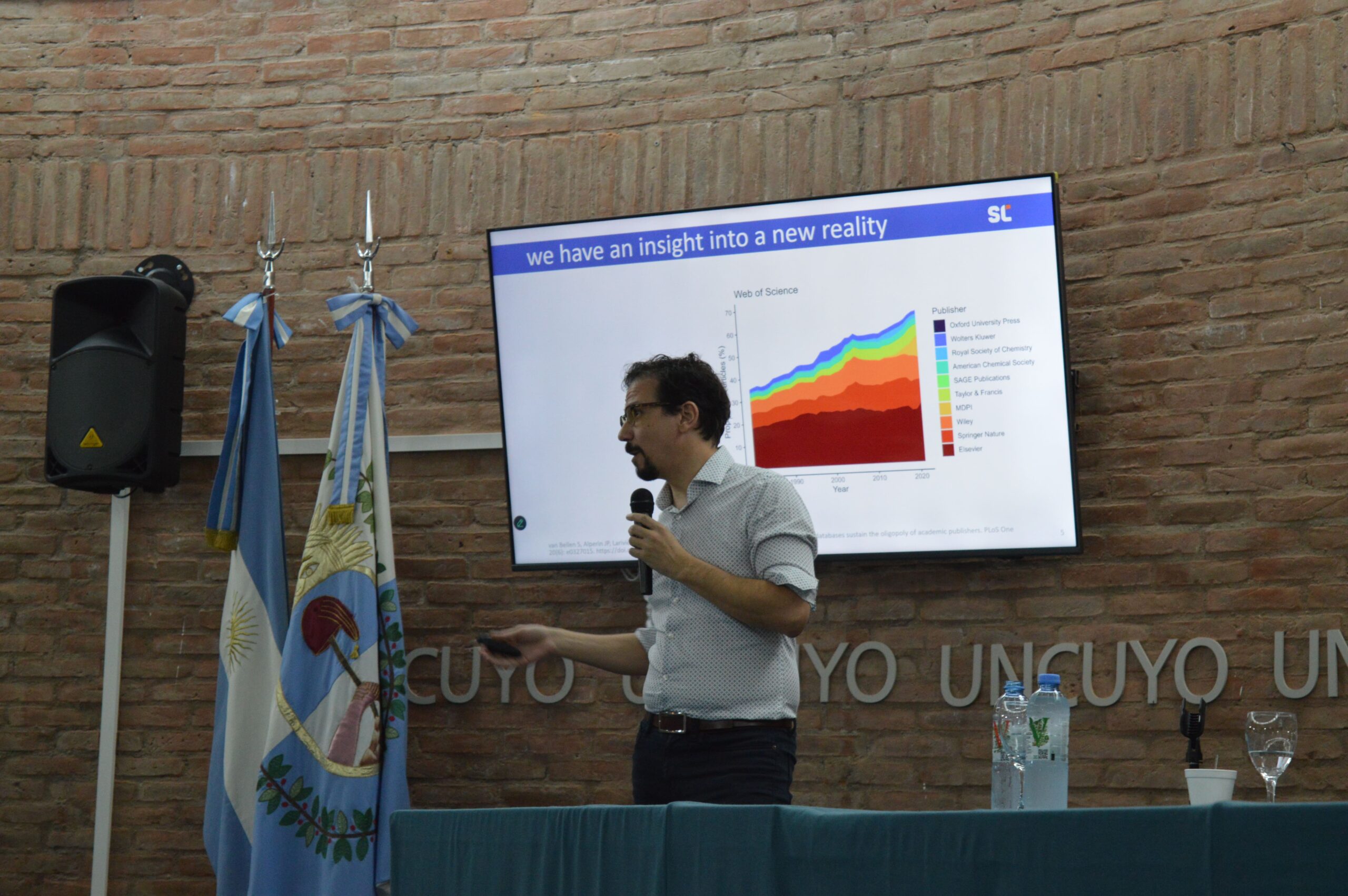
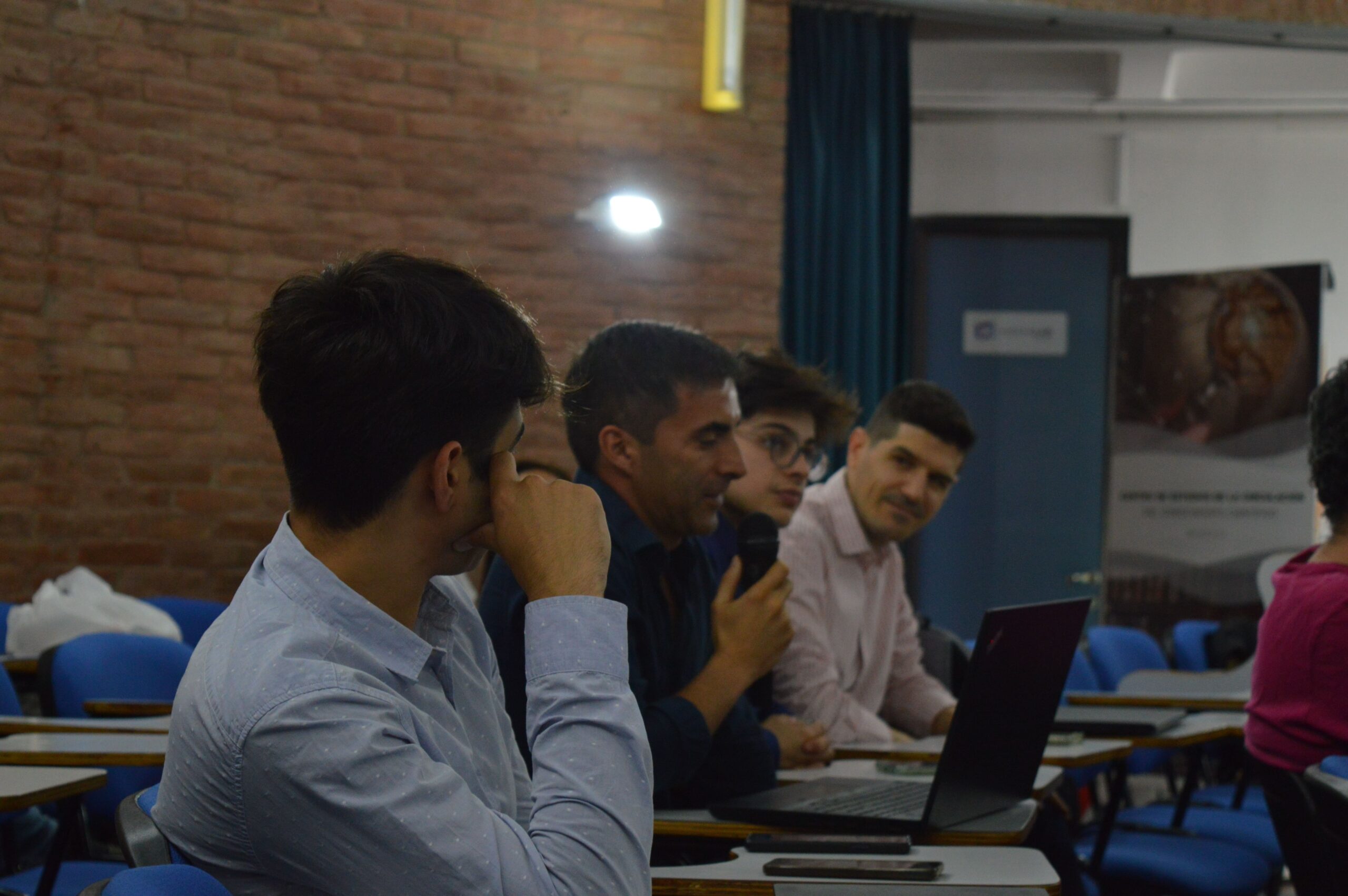
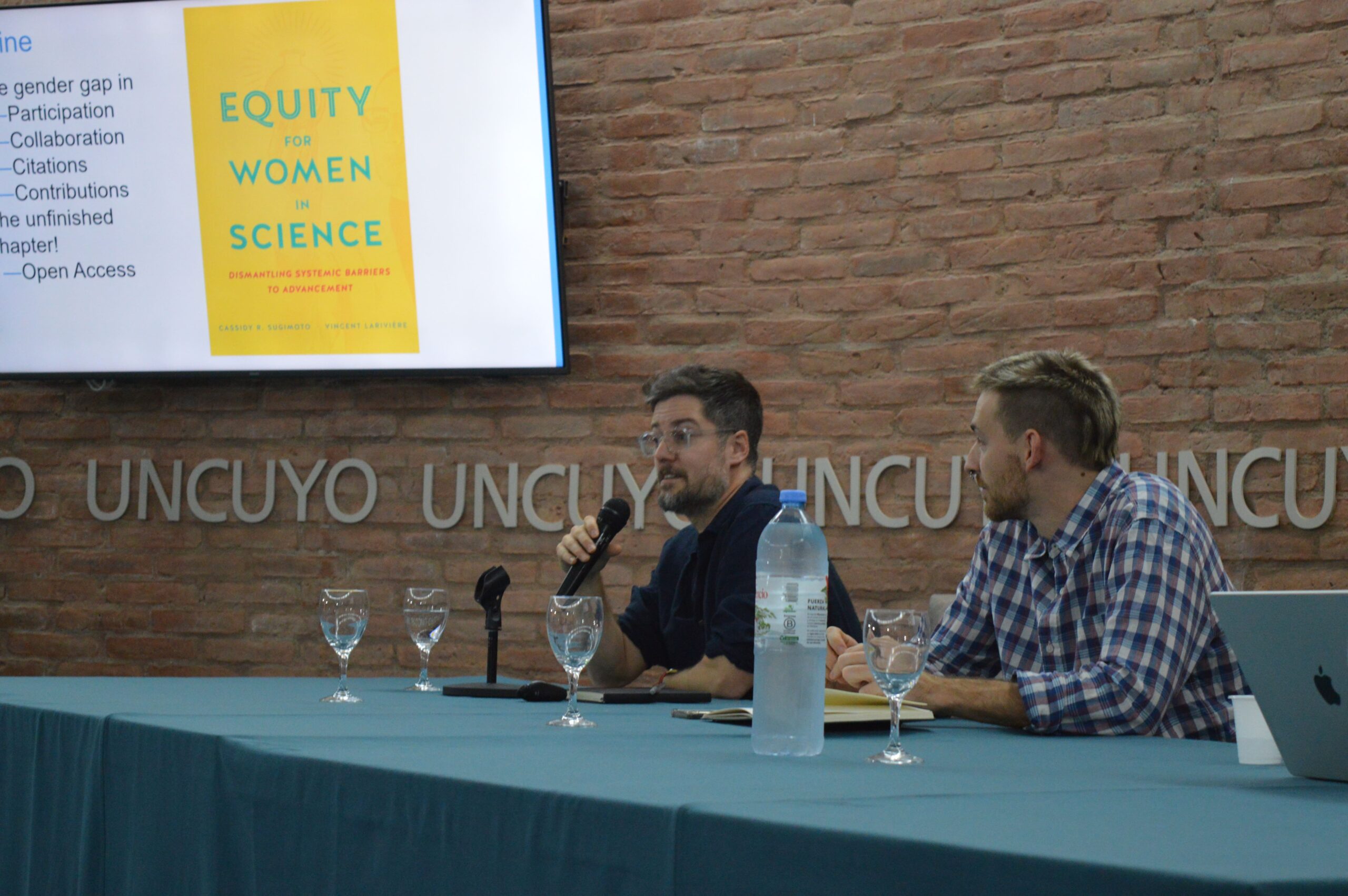
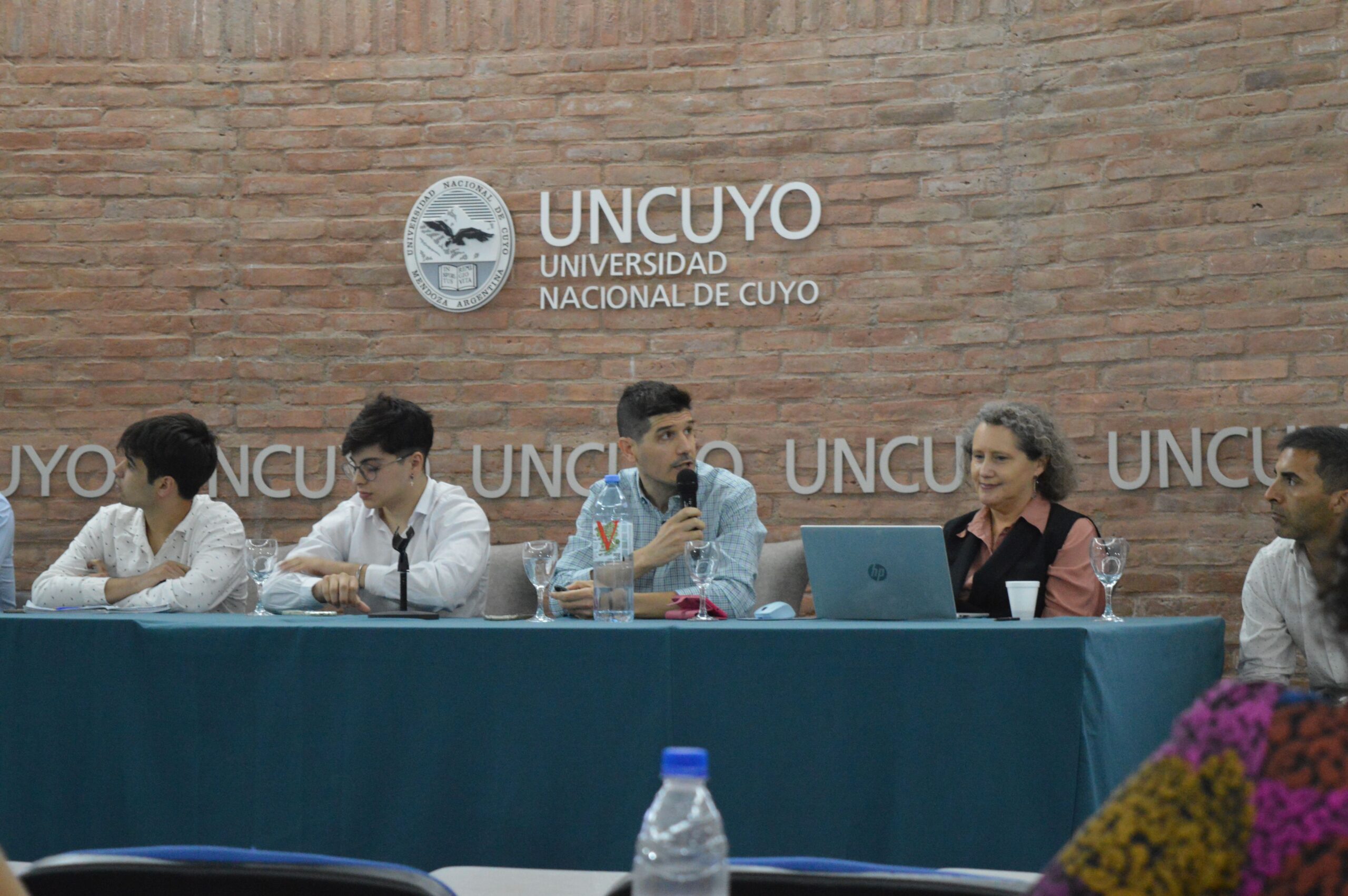
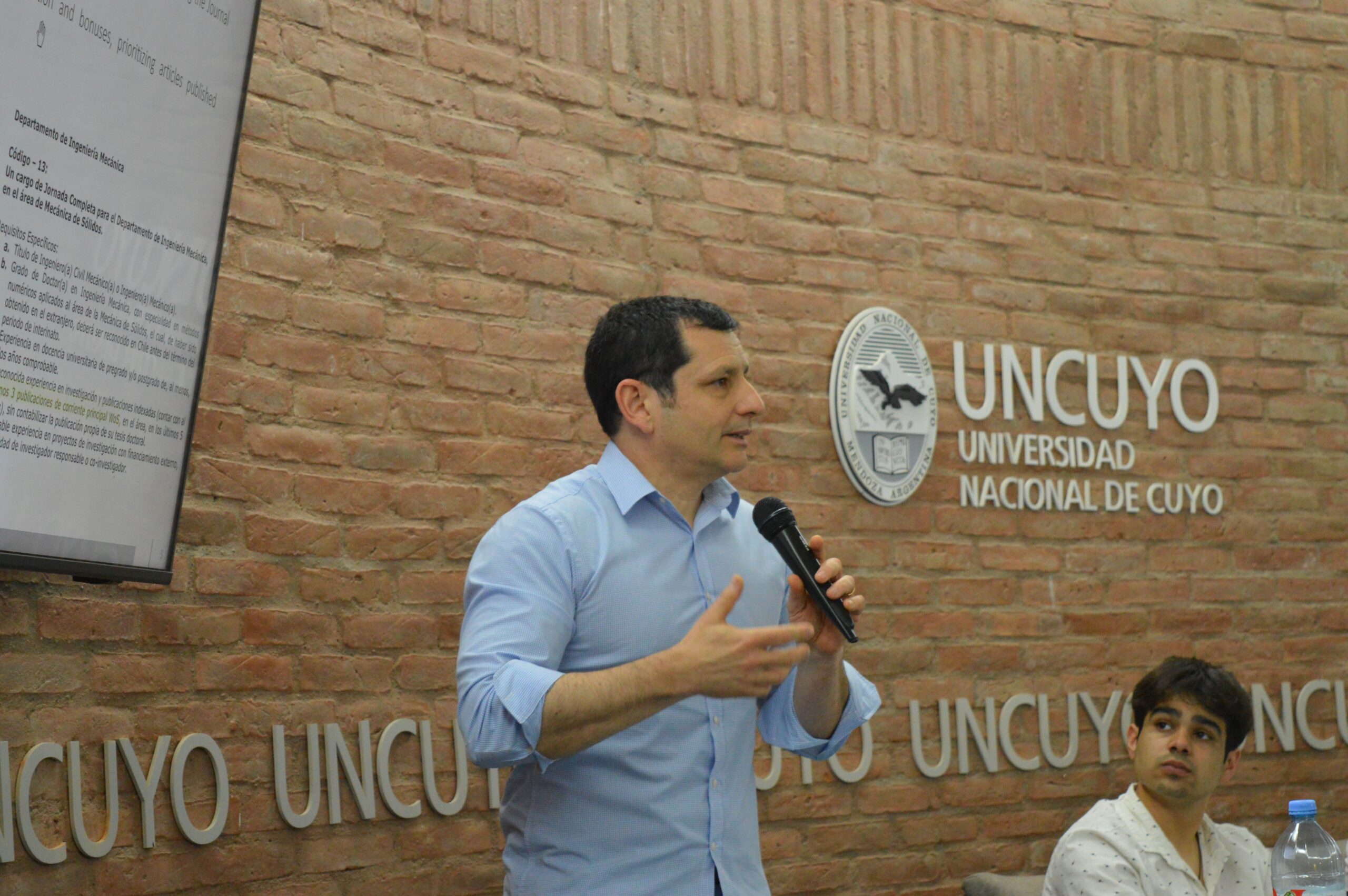
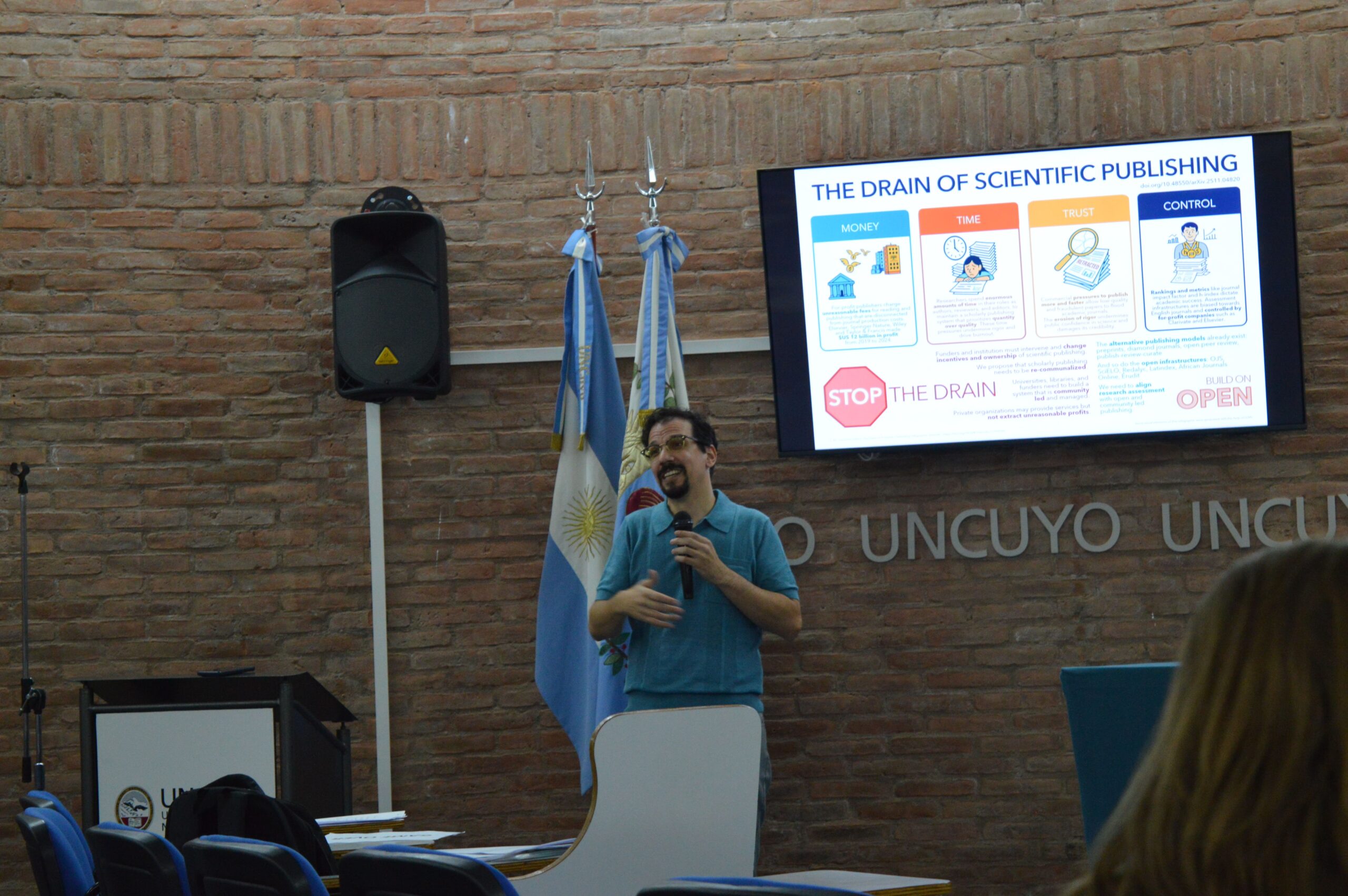
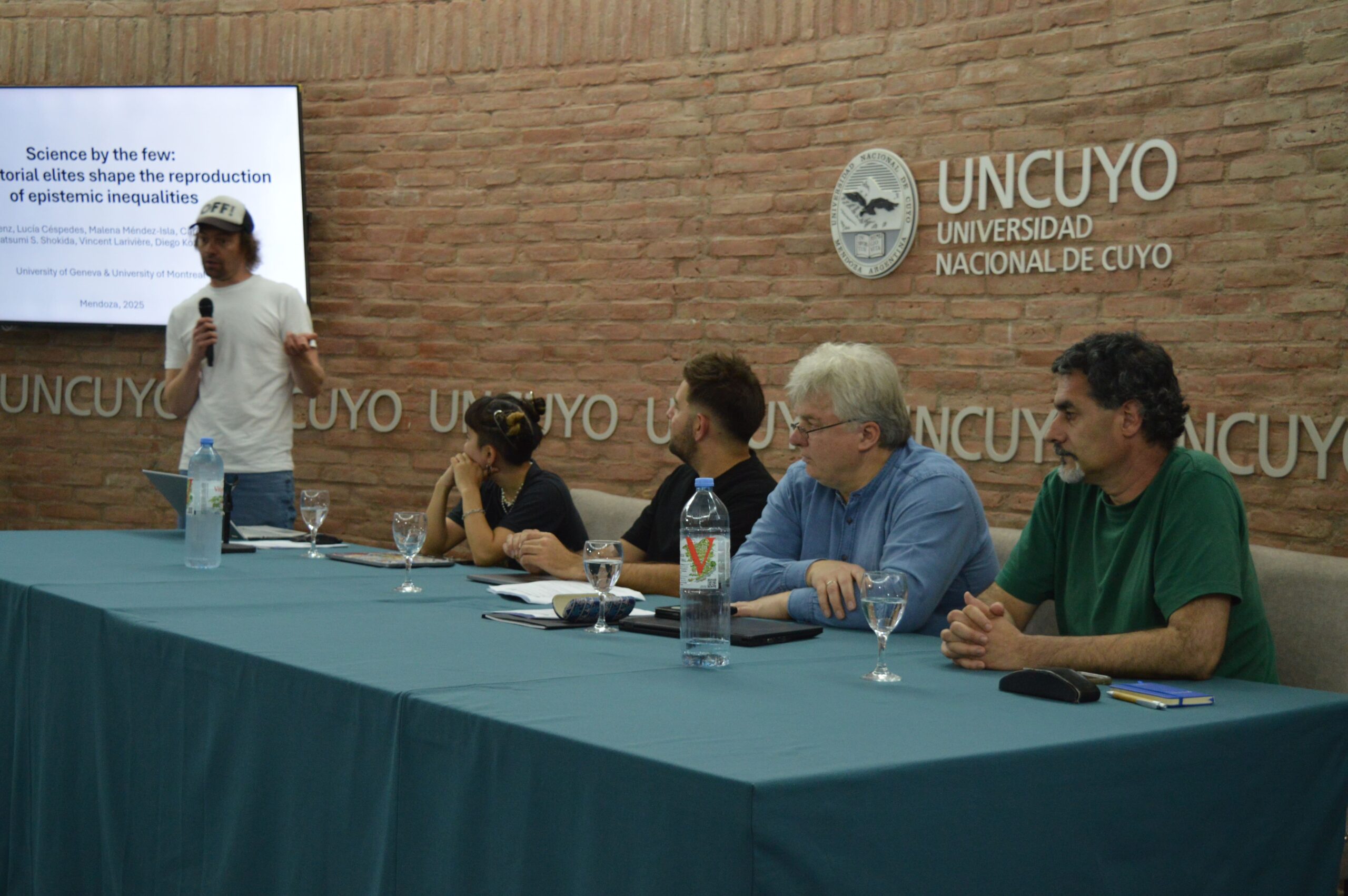
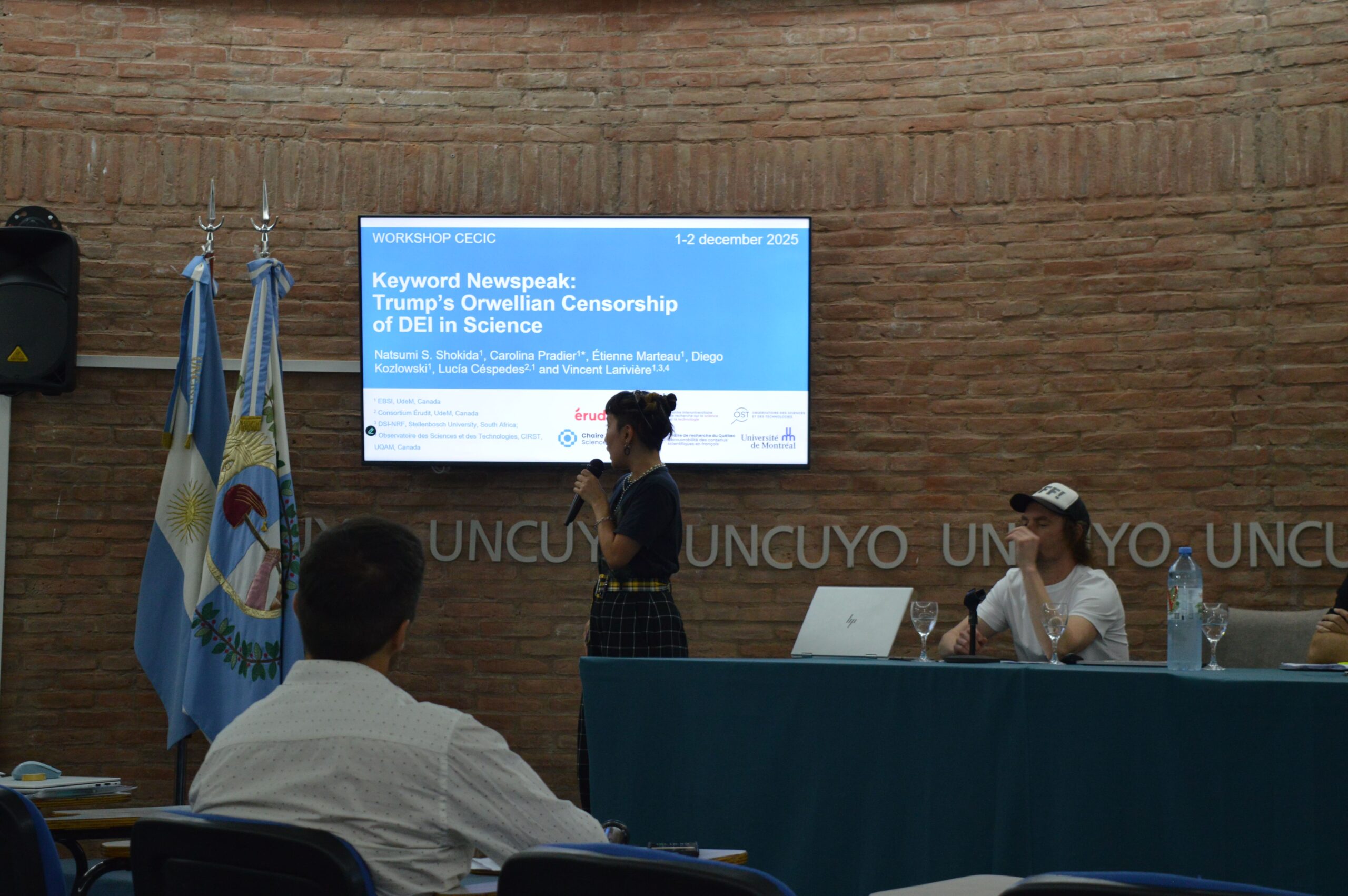
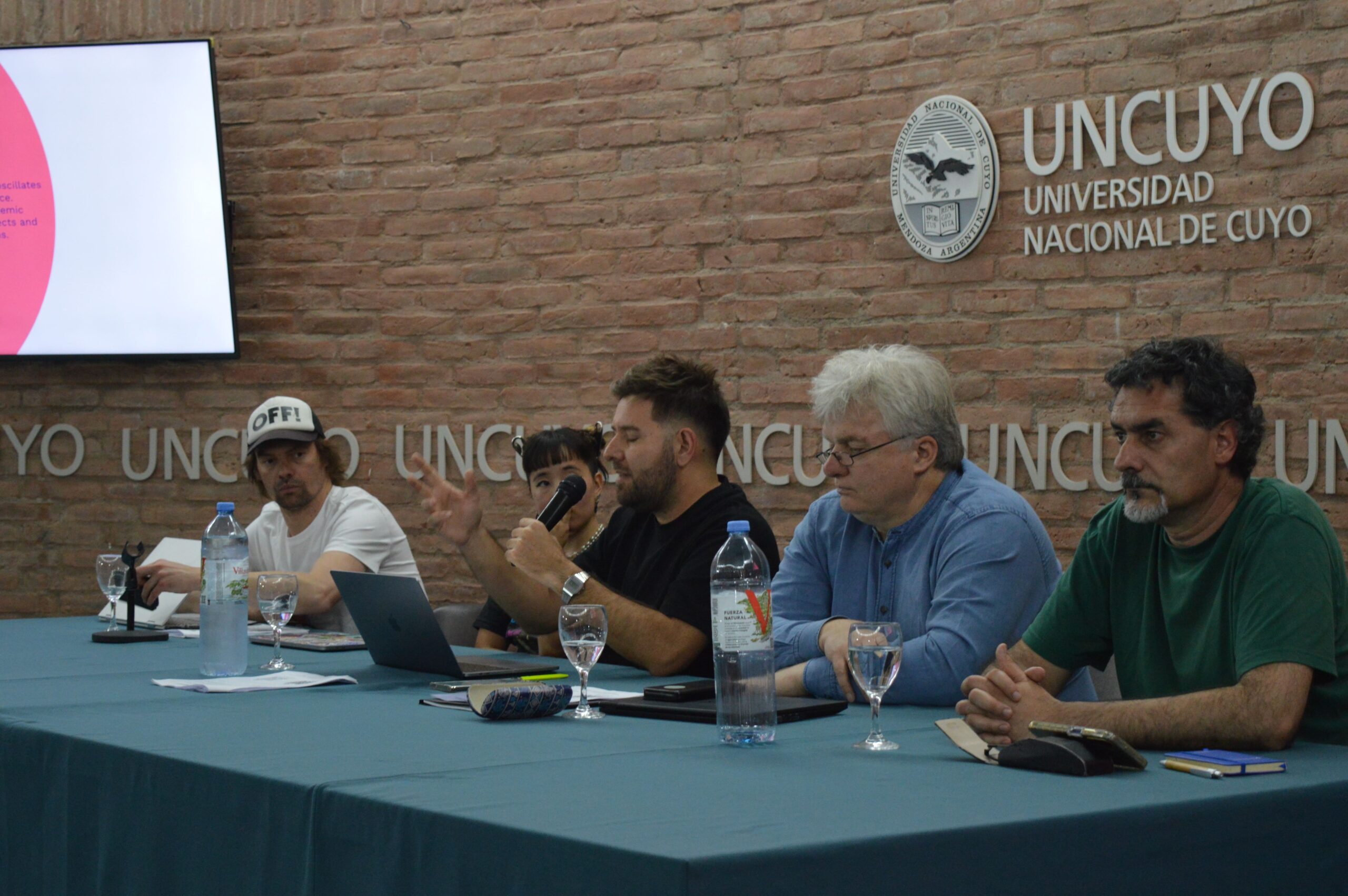
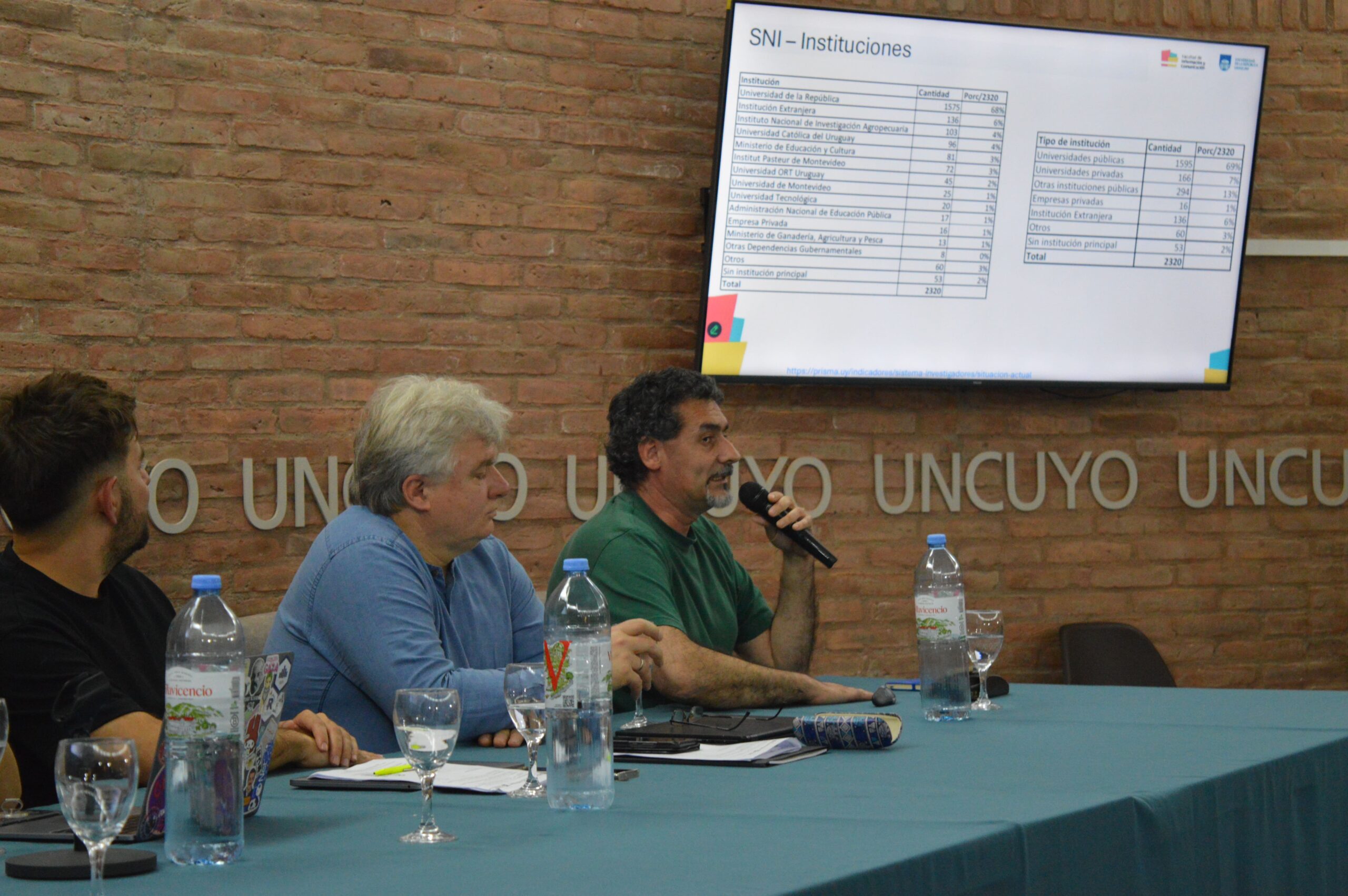
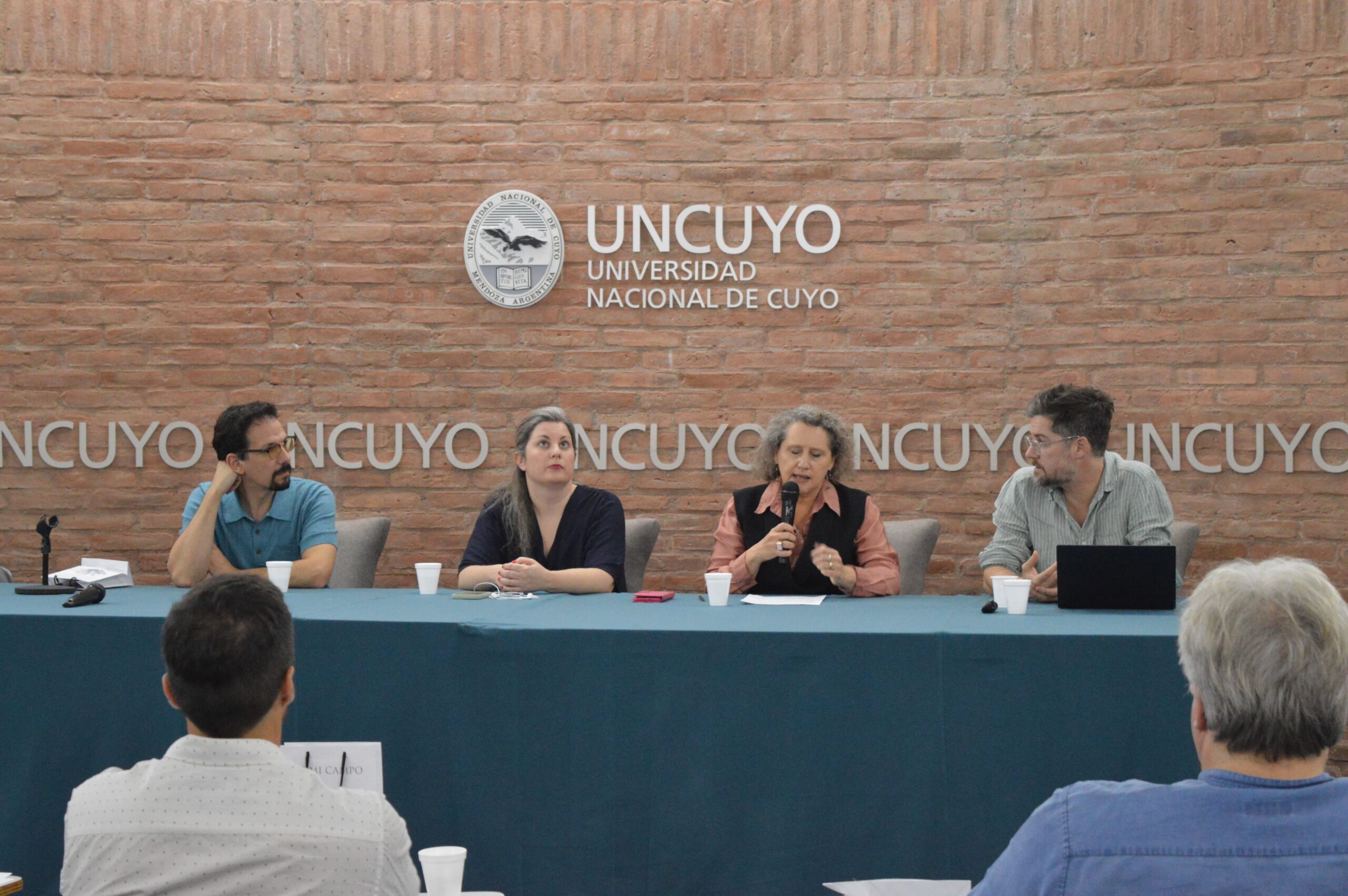
The Workshop CECIC 2025 was held: “Reforms of the evaluation system and open science under scrutiny: global dilemmas and academic asymmetries.”

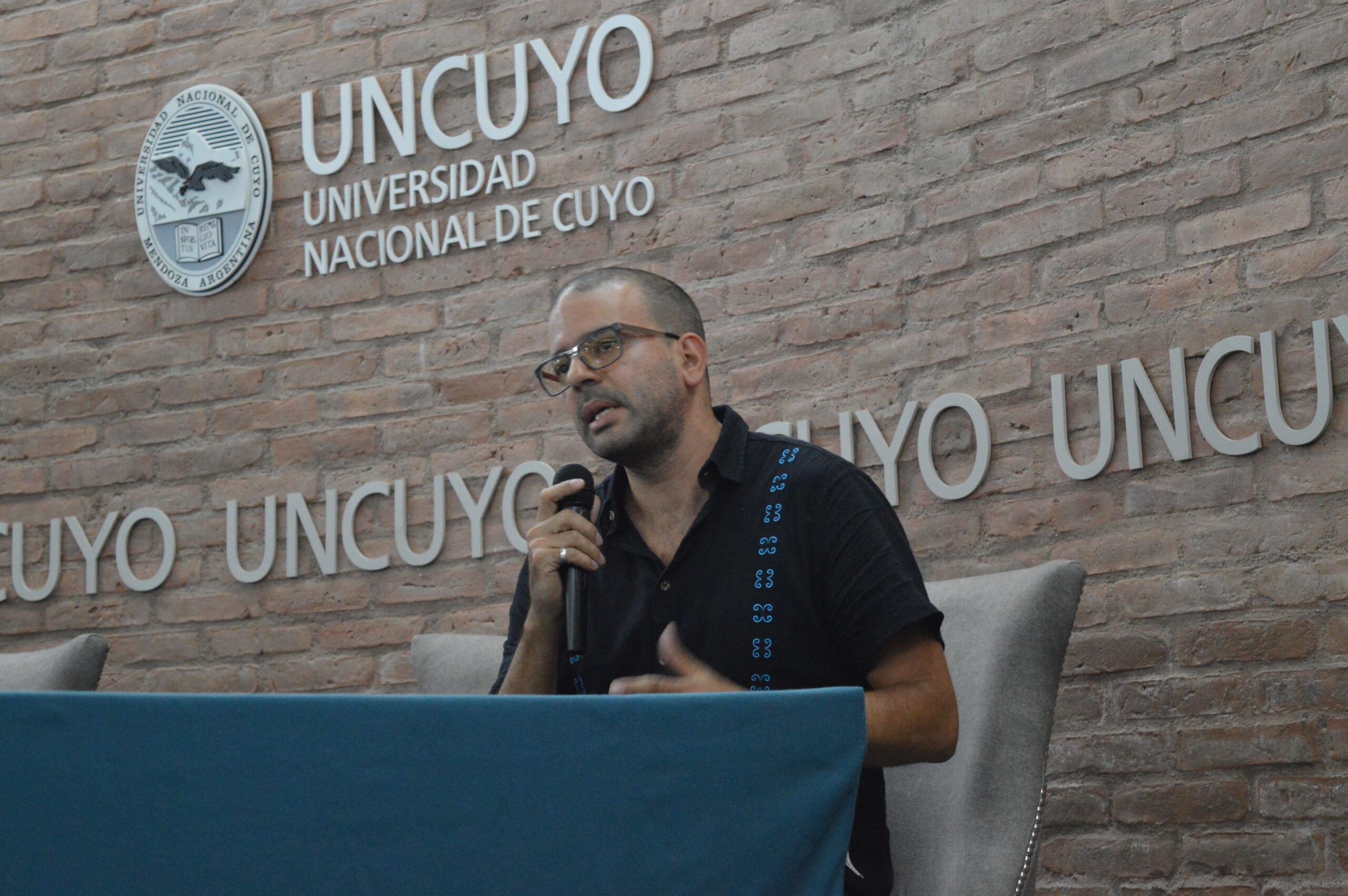
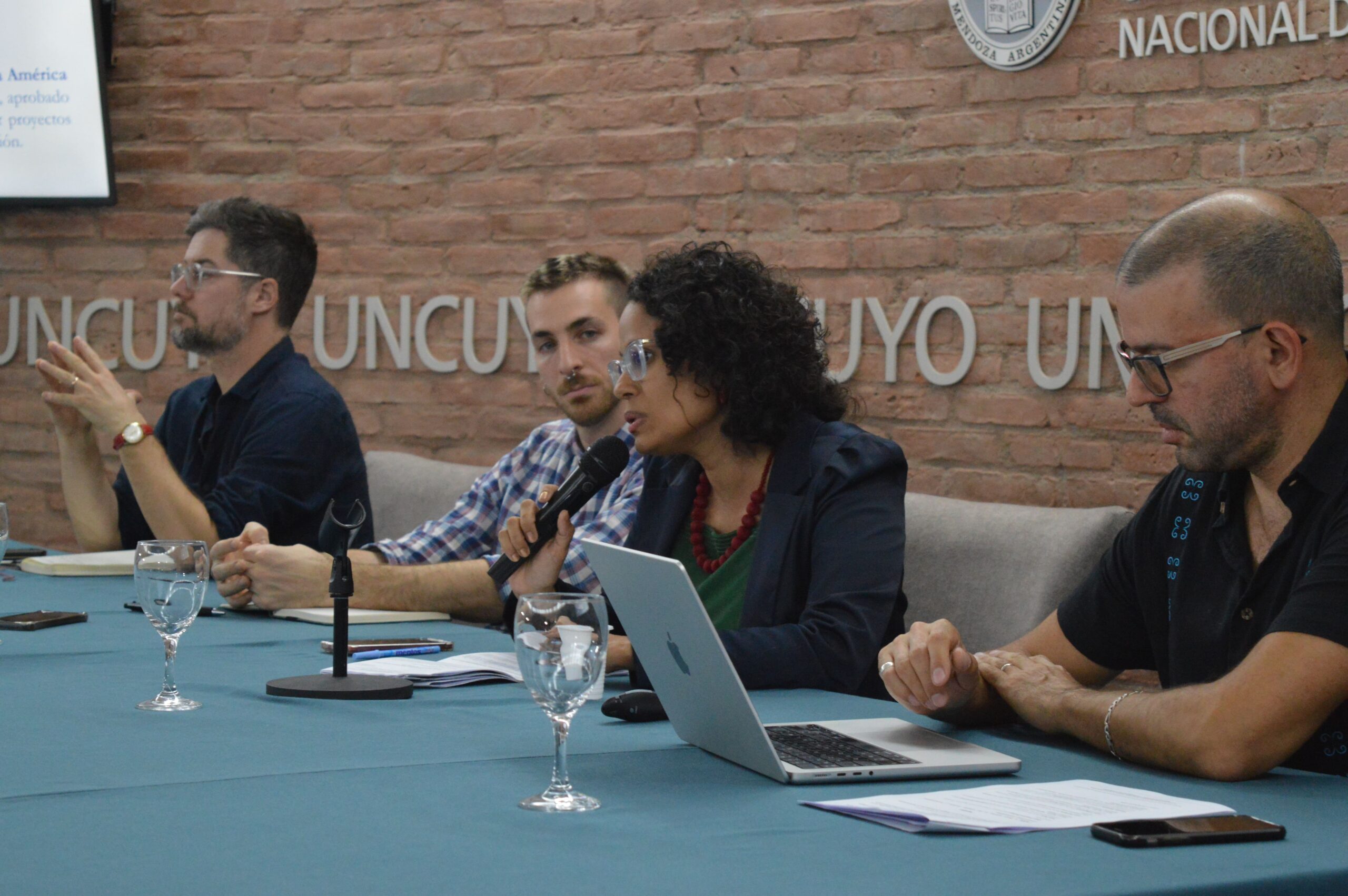
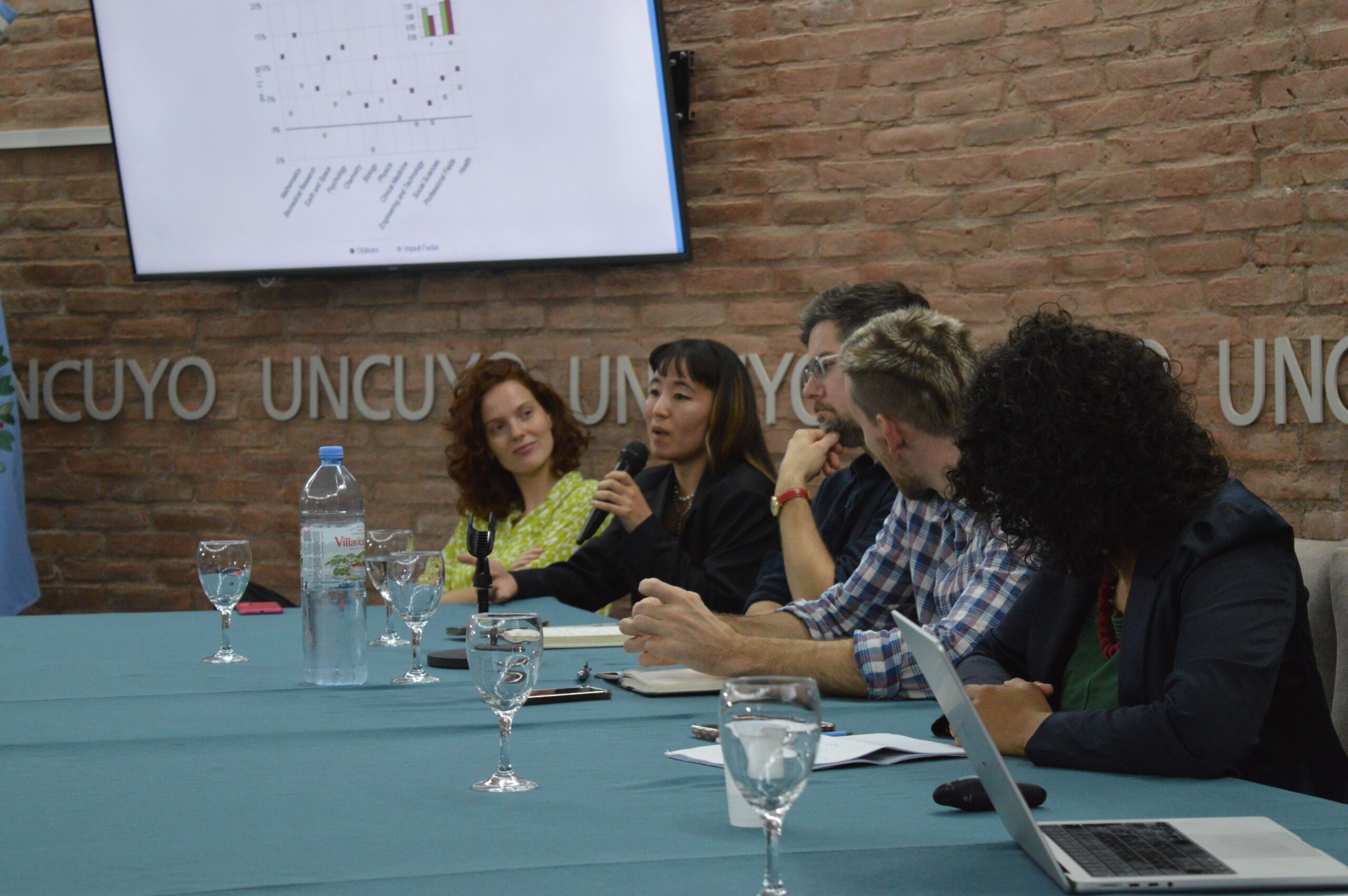
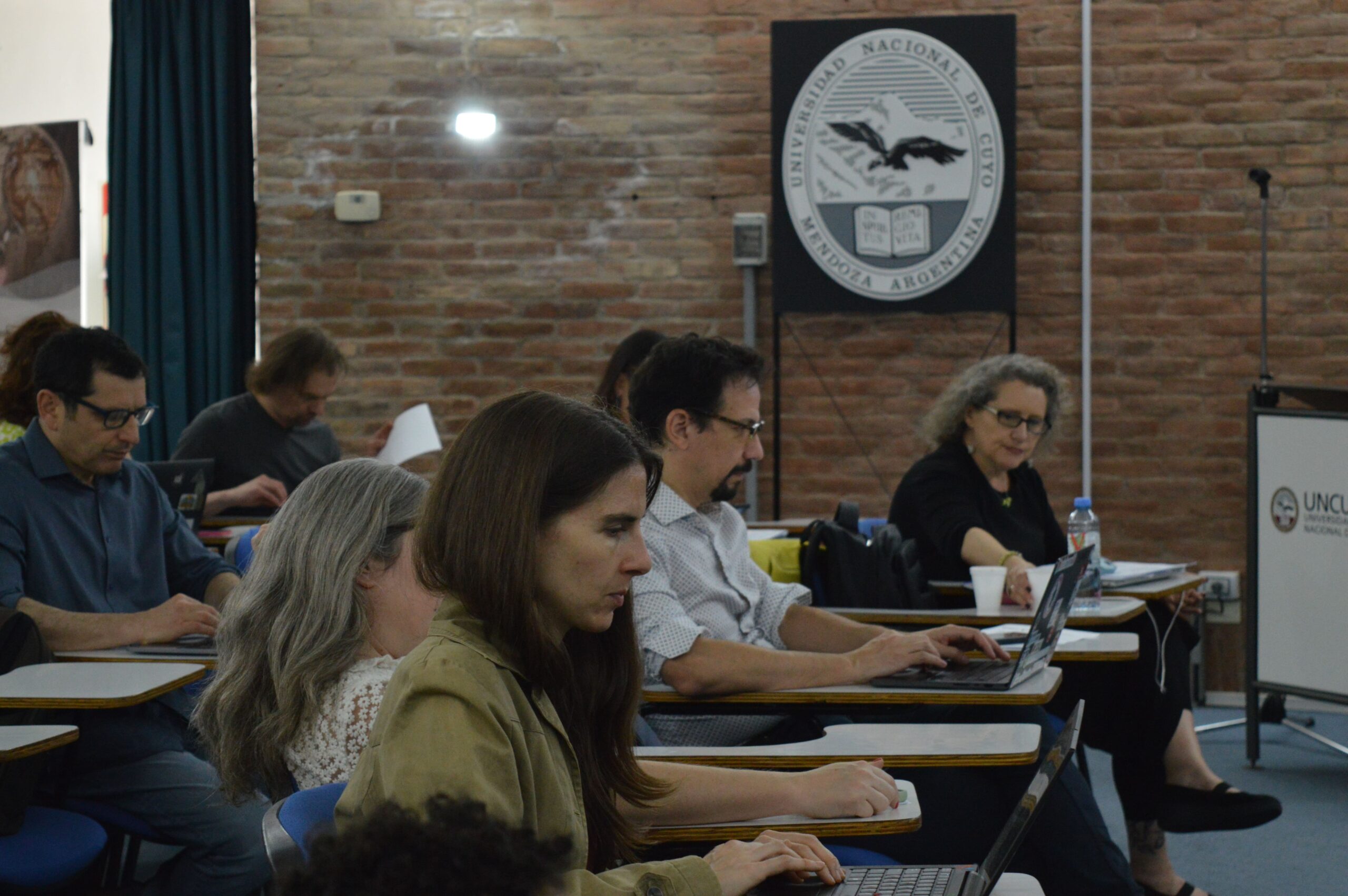
The event took place on December 1 and 2 at the CICUNC Central Cylinder, National University of Cuyo, and had simultaneous English-Spanish translation.

DSC_0648
previous arrow
next arrow

This workshop aims to reflect on various relevant and compelling topics in current international scientific discourse. To this end, six panels have been developed to address the dynamics of knowledge circulation, such as the drain of scientific publications on the publishing market; the future of global, regional, and national data sources; emerging and persistent asymmetries in science, such as gender and class; different perspectives on open data in the social sciences; the processes of selecting scientific journals by researchers; and the current dynamics of academic evaluation.

The scientific event will consist of two days of presentations, which will be simultaneously translated into English-Spanish. During the first day, the panels will focus on the asymmetries inherent in the scientific system, data sources from a multiscale perspective, and the drain of academic publishing on the international market. Stefanie Haustein (School of Information Studies, University of Ottawa, Canada & co-director, ScholCommLab), Vincent Larivière (CIRST, Université de Montréal, Canada), Fernanda Beigel (INCIHUSA-CONICET / CECIC, FCPYS-Universidad Nacional de Cuyo, Argentina), Juan Pablo Alperin (Simon Fraser University, Canada & co -director, ScholCommLab), Alysson Fernandes Mazoni (University of Campinas, Brazil), Lucía Céspedes (Érudit / Université de Montréal, Canada), Osvaldo Gallardo (CONICET / CECIC, Faculty of Political and Social Sciences, National University of Cuyo, Argentina), Carolina Pradier (Université de Montréal, Canada), Diego Kozlowski (Université de Montréal, Canada), Natsumi S. Shokida (Université de Montréal, Canada), Víctor Montoya (National University of Tres de Febrero, CECIC, Argentina), Denis Baranger (National University of Misiones, CECIC, Argentina), Marina Félix de Melo (Federal University of Alagoas, Brazil).

During the second session, the topics will focus on open data and its development from the social sciences, how researchers choose where to publish their research, and current academic evaluation processes. Participants will include Peter Birle (Ibero-Amerikanisches Institut, Germany), Carolina Santarossa (Ibero-Amerikanisches Institut, Germany), Clara Ruvituso (Ibero-Amerikanisches Institut, Germany), Fabio Erreguerena (CECIC, Faculty of Political and Social Sciences, National University of Cuyo, Argentina), Juan Piovani (CONICET, UNLPlata, Argentina), Osvaldo Gallardo (CONICET / CECIC, Faculty of Political and Social Sciences, National University of Cuyo, Argentina) & Gonzalo Castillo (CONICET, Faculty of Social Sciences, National University of San Juan, CECIC, Argentina), Exequiel Fontans (SNI Uruguay / University of the Republic, Uruguay), Fernanda Beigel (INCIHUSA-CONICET / CECIC, Faculty of Political and Social Sciences, National University of Cuyo, Argentina), Gonzalo Villarreal (PREBI-SEDICI National University of La Plata and CESGI Scientific Research Commission, Argentina), Enzo Rucci (III-LIDI, Faculty of Computer Science, National University of La Plata and Scientific Research Commission, Argentina), Lautaro Josin Saller (PREBI-SEDICI National University of La Plata, Argentina), Juan Cruz Mazullo (PREBI-SEDICI National University of La Plata, Argentina), Erwin Krauskopf (University of the Americas, Chile), Pierre Benz (University of Geneva, Switzerland / Université de Montréal, Canada), Natsumi S. Shokida (Université de Montréal, Canada), and Maximiliano Salatino (INCIHUSA-CONICET, CECIC-UNCuyo, Argentina).

Below are the links to access the videos of each panel and the complete program.

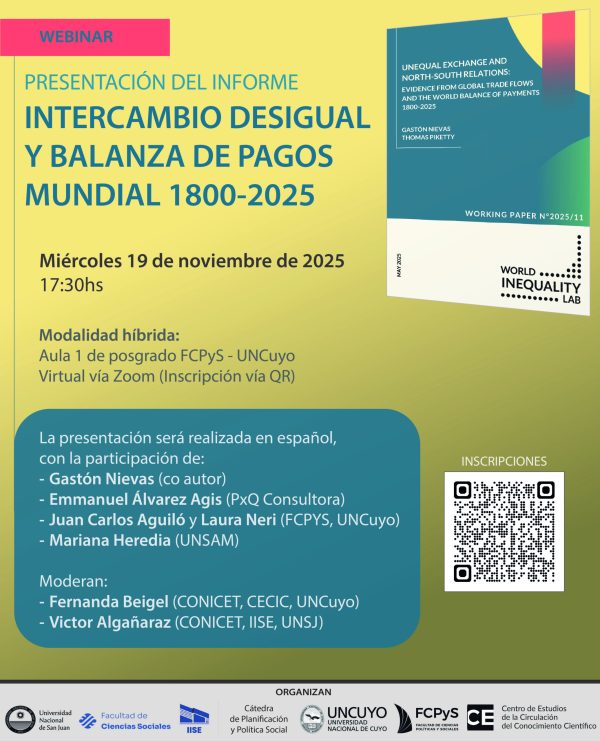
CECIC organizes a webinar to discuss the World Inequality Lab (Nievas-Piketty) report on unequal exchange 1800-2025

The event will be held in a hybrid format on November 19 at 5:30 p.m. It will feature Gastón Nievas, Emmanuel Álvarez Agis, Juan Carlos Aguiló, Laura Neri, and Mariana Heredia.

Portada - copia
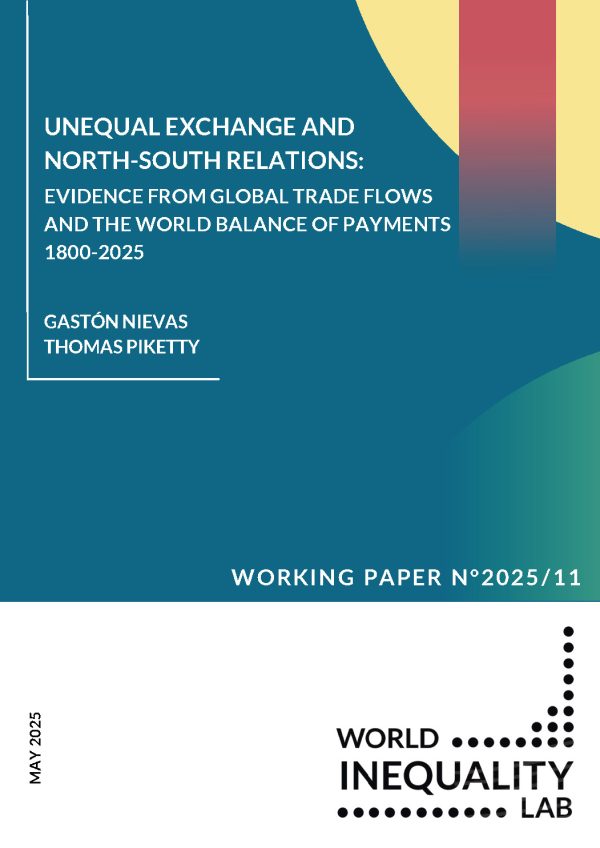
Cover of the World Inequality Lab (Nievas-Piketty) report on unequal exchange 1800-2025

During the webinar, the Nievas-Piketty report entitled “Unequal exchange and North-South relations: evidence from global trade flows and the world balance of payments 1800-2025” will be presented. The report analyzes global trade flows and the world balance of payments, covering 57 major territories (48 countries and 9 residual regions) during the period 1800-2025. The construction of this database made it possible to analyze patterns of global imbalances, current account surpluses and deficits, and the accumulation of net external wealth over more than two centuries.

The presentation and discussion will be in Spanish and will feature the participation of co-author Gastón Nievas, with comments from Emmanuel Álvarez Agis (PxQ Consultora); Juan Carlos Aguiló (FCPyS, UNCuyo), Laura Neri (FCPyS, UNCuyo); and Mariana Heredia (UNSAM). The seminar will be coordinated by Fernanda Beigel (CONICET, CECIC-UNCuyo) and Victor Algarañaz (CONICET, IICE-UNSJ).

Participants

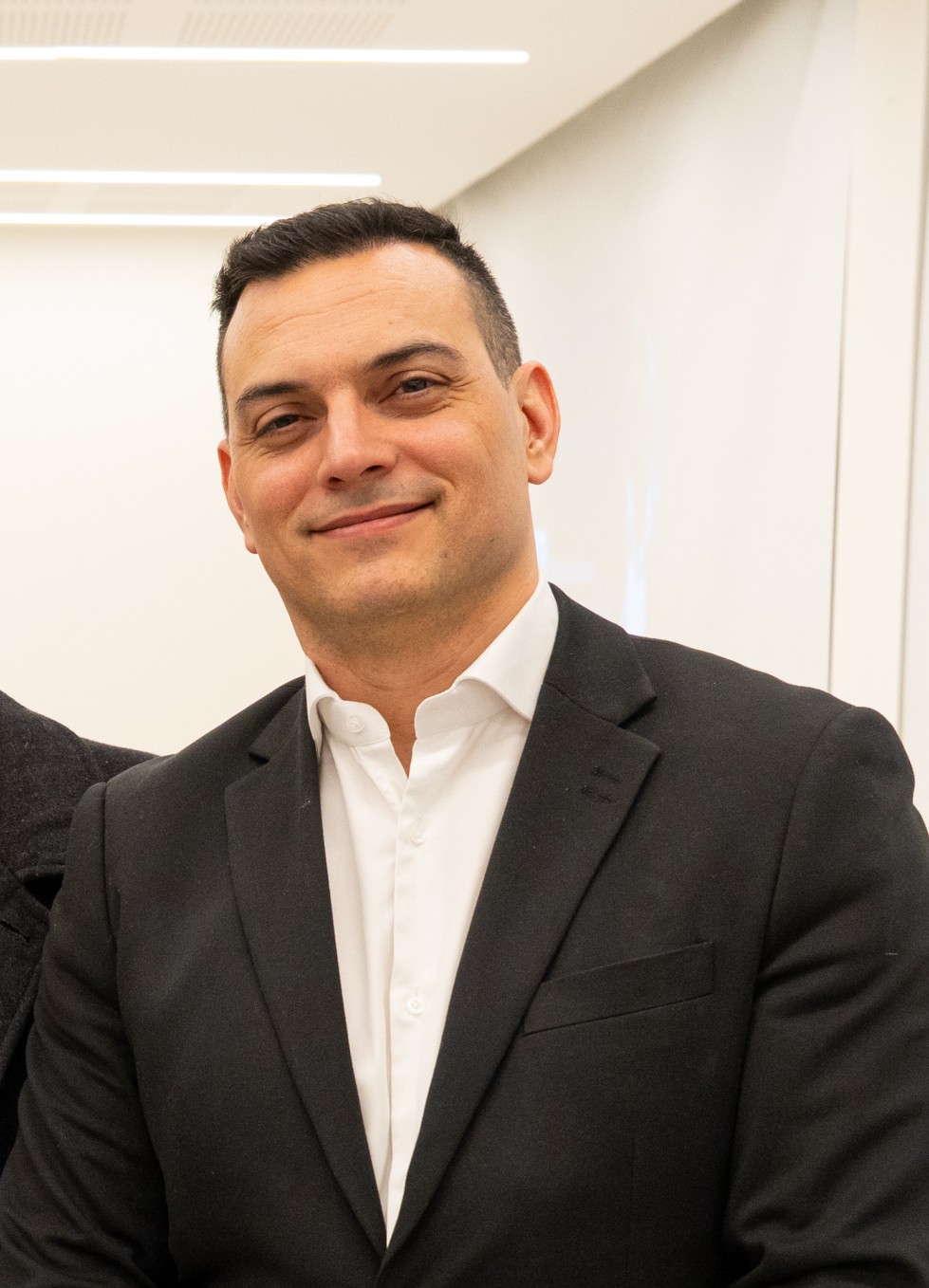
Gastón Nievas

National Accounts Coordinator at the World Inequality Lab (WIL). He is a PhD candidate at the Paris School of Economics (PSE) and studies how globalization shapes inequality, focusing on the persistent gaps between rich and poor countries, as well as the power relations that underpin them. His work lies at the intersection of geoeconomics and international macroeconomics.

Emmanuel Álvarez Agis

Emmanuel Álvarez Agis holds a bachelor's and master's degree in economics from the University of Buenos Aires (UBA). He also has a postgraduate degree in public opinion and political communication from FLACSO. He was Deputy Minister of Economy between 2013 and 2015 and Undersecretary of Macroeconomic Programming between 2011 and 2013. He has advised the UN and the World Bank on economic policy and has published academic articles on macroeconomic issues in several specialized journals. He directed the economics program at the National University of Juarez Chihuahua (UNAJ) between 2016 and 2019. He is currently a partner at PxQ Consultora, where he heads the Macroeconomics department.

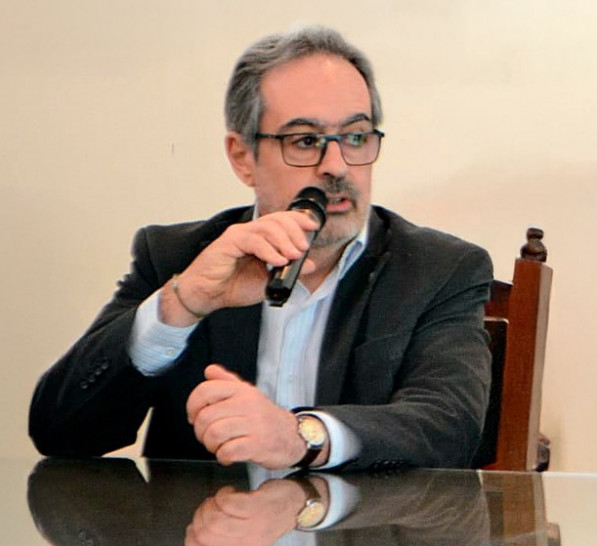
Juan Carlos Aguiló

Juan Carlos Aguiló holds a PhD in Social Sciences from UNCuyo, a Master's in Public Administration from Harvard University, and a Bachelor's in Sociology from UNCuyo. He works as a professor and researcher at UNCuyo: Full Professor of Social Policy, Faculty of Political and Social Sciences, UNCuyo; Postgraduate professor at national and international universities. He was Dean of the Faculty of Political and Social Sciences (2005-2011) and Coordinator of the Public Policy Area of the UNCuyo Rector's Office (2011-2014). He is Executive Coordinator of the Council of Deans of Social Sciences and Humanities Faculties (CODESOC); national and international consultant on government and public policy, public management, social development, social policy, and rural development. He is co-author of the book “Universal Child Allowance: Impact on Life Trajectories and Ideological Struggle,” published by the Floreal Gorini Cultural Cooperation Center, Buenos Aires, ISBN 978-3920-24-0, and of numerous articles on public and social policy.

Laura Neri

Laura Neri holds a PhD in Social Sciences with a specialization in Political Science from UNCuyo, Mendoza. She also holds a Master's degree in Social Sciences with a specialization in Political Science from FLACSO Argentina and a Diploma in Advanced Studies from Pablo de Olavide University, Seville, Spain. She has a degree in Political Science from UNCuyo, Mendoza, Argentina. She currently works as a lecturer and researcher in Social Policy and Public Policy at UNCUyo, Mendoza. She has taught courses on Social Policy at universities in Argentina and abroad. Her research topics include Inequality and Social Policy, Welfare States, and Social Policy in Latin America.

Mariana Heredia

Mariana Heredia is a specialist in the sociology of elites and the historical sociology of recent Argentina. She is a researcher at CONICET at the Institute of Higher Social Studies, where she also teaches undergraduate and graduate courses. In addition, she is the director of the Master's program in Economic Sociology and a professor at the University of Buenos Aires and the University of San Andrés. She has published numerous articles in national and international journals, as well as the books A quoi sert un économiste (Paris, 2014), Cuando los economistas alcanzaron el poder (Buenos Aires, 2015), and ¿El 99% contra el 1%? (Buenos Aires, 2022). She holds a PhD in Sociology from the Ecole des Hautes Etudes en Sciences Sociales.

FLYER FINAL
The event flyer

GRIP-APC project releases the open dataset with the findings of an international survey on Publishing practices and APC costs (Latin America and Africa)

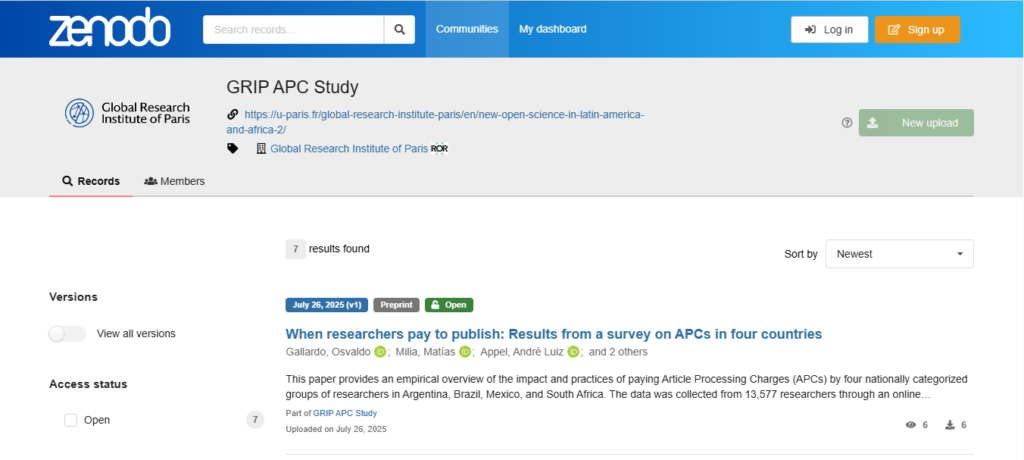
The results of the international survey conducted by the GRIP-APC project are now openly available in Zenodo.

The results of the project are available on Zenodo

Between 2023 and 2024, a team of international researchers, led by Fernanda Beigel (CECIC-CONICET) and funded by the Global Research institute of Paris, studied the impact of article processing charges (APCs) in four countries: Argentina, Brazil, Mexico, and South Africa. The results of the first phase of the project offer insight into how scientists in non-hegemonic contexts respond to transformations in the publishing ecosystem resulting from the development of open access.

The study collected primary data from 13,577 responses to an online questionnaire administered to scientific researchers in four target countries between August 2023 and February 2024. The main objective of this survey was to gather detailed information about researchers’ positions in their national fields, their publishing practices, access to funding, and their perceptions of open access and article processing charges (APCs). The research team designed the survey and translated it into Portuguese and Spanish, incorporating adaptations to each country’s scientific systems and career guidelines. Respondent confidentiality was prioritized, with all sensitive information removed from the dataset prior to publication.

The GRIP-APC study has generated a comprehensive set of resources that broaden our understanding of open access publishing in the Global South. Key results include an open database with the survey, references to articles in indexed journals on APC practices and national funding agency policies, a technical report on the context in Brazil, and preprints that preview future scientific communications by the team. Together, these contributions provide a better understanding of the ways in which researchers in Latin America and Africa are facing the new trends in scientific communication. At the same time, they offer recommendations on how to address the challenges that the commercial business models pose to equitable participation in the circulation of knowledge.

All results are openly available in the project’s Zenodo Community. Below is a list of all the resources related to the project that are openly available.

Gallardo, O., Appel, A. L., Bruccoleri Ochoa, M., GRIP-APC, T., Milia, M., Montoya, V., van Schalkwyk, F., & Beigel, F. (2025). A comparative analysis of open science, access, APC, and circulation of knowledge. A dataset from a survey of researchers in Argentina, Brazil, Mexico, and South Africa. [Data set]. Global Research Institute of Paris. https://doi.org/10.5281/zenodo.16414892

Gallardo, O., Milia, M., Appel, A. L., GRIP-APC Team, & van Schalkwyk, F. (2025). When researchers pay to publish: Results from a survey on APCs in four countries (Version v1) [Preprint]. Zenodo. https://doi.org/10.5281/zenodo.16463507

Appel, A. L., Milia, M., Rodriguez Medina, L., GRIP-APC Team, & Beigel, F. (2025). Saberes y prácticas de publicación en acceso abierto: un estudio comparativo sobre Brasil, Argentina y México. Zenodo. https://doi.org/10.5281/zenodo.16461364

Albagli, S., Appel, A. L., Pacanaro Trinca, T., Alves, L. de A., & Leite, N. (2024). Uma Análise Comparativa da Ciência Aberta, do Acesso Aberto e da Circulação de Conhecimento na América Latina e na África: Relatório Preliminar Brasil. Zenodo. https://doi.org/10.5281/zenodo.10694976

Beigel, F., Gallardo, O., Gomez, M. S., & Prado, F. C. (2025). Publicación en acceso abierto y costos por Article Processing Charges (APC) en Argentina. Revue D’anthropologie Des Connaissances, 19(2). https://doi.org/10.4000/140pa

Beigel, F., & Montoya, V. (2025). Perceptions, défis et prises de positions concernant l’Article Processing Charges (APC) dans la publication scientifique : une enquête auprès des chercheur·e·s du CONICET en Argentine. Social Science Information, 64(2). https://doi.org/10.1177/05390184251351425

Terlizzi, M. S., Zukerfeld, M., & Beigel, F. (2025). Open access, “piracy” and Article Processing Charges (APC) in Argentina: an informed policy for the national research funding agency. https://doi.org/10.1590/0001-3765202520241184

Soto-Herrera, D. A., Beigel, F., & Pallares Delgado, C. O. (2025). Costos de publicación en acceso abierto bajo el modelo APC: Argentina y Colombia. https://doi.org/10.17533/udea.rib.v48n1e357790

CECIC organizes a workshop on inclusive Open Science at the Einstein Center for Digital Future in Berlin

CECIC is organizing the Workshop for an Inclusive Open Science at the Einstein Center for Digital Future, in collaboration with the Berlin University Alliance and the Berlin Center for Global Engagement. The event will take place on July 14, 2025. The program consists of four panels featuring over 15 speakers from universities in Germany, the United Kingdom, the United States, Ukraine, South Africa, Argentina, the Netherlands, Brazil, Colombia, and Canada.

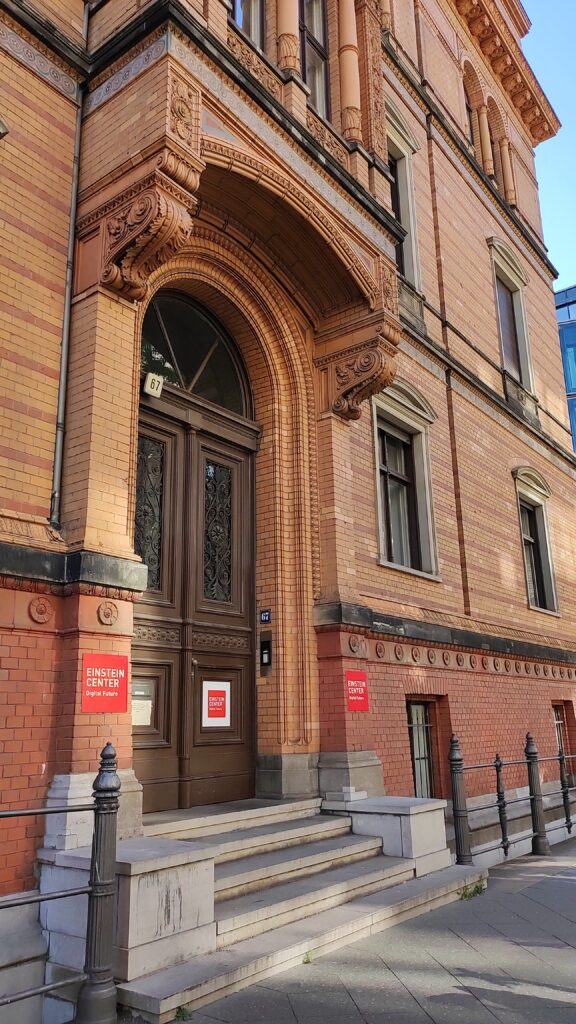
The event will be held in the Einstein Center, Berlin

Currently, several studies on the balance of the 20 years of the Budapest Open Access Initiative have been highlighting its intentions regarding scientific democratization; However, they have also pointed out various complexities. Indeed, among other things, the interests of the academic publishing sector have been perpetuated, in particular those related to the so-called “high-impact” journals that circulate in the mainstream, continue to struggle to sustain certain models of privatist financing via onerous payments. On the other hand, there is also a growing phenomenon in journals originally supported by open access, which have been demanding increasingly high fees for article processing charges (APCs), thus eclipsing the achievements of the open access movement.

However, it is known that in all regions it has been strongly assuming a boost related to the development of open digital research infrastructure. Across regions, the diverse momentum related to the development of open digital research infrastructure is observed. Europe and Latin America have strong initiatives and/or continental networks in terms of their development, consolidating the focus on knowledge as a public good. In the United States, the federal government was one of the most important drivers of the practice of open science, although the current situation is changing priorities. There is a growing interest on the part of regional and sub-regional bodies in fostering open science efforts along with the transformation towards responsible research assessment.

Based on all this, this workshop seeks to reflect on the paths towards current open science. To this end, 4 panels have been designed under face-to-face and virtual mode, where more than 15 exhibitors from different universities in Germany, the United Kingdom, the United States, Ukraine, South Africa, Argentina, the Netherlands, Brazil, Colombia and Canada will participate. The program is shared below:

Annual Workshop CECIC “Convergences between bibliometrics and prosopography: coverage studies and asymmetries in the circulation of knowledge” – November 11 and 12

The CECIC Workshop “Convergences between bibliometrics and prosopography: coverage studies and asymmetries in the circulation of knowledge” will be held on November 11 and 12 at the Talampaya Salle of the CCT Mendoza between 9:30 am and 5:30 pm. It aims to discuss the results of the international research projects conducted by CECIC during 2023 and 2024: the international survey of publication practices and APC costs; the PRISA-AUF project on Bibliometrics and Prosopography. CECIC researchers from different provinces (San Juan, Córdoba, Buenos Aires and Misiones) will participate, as well as teams from other countries (Quebec-Canada, Brazil, Chile, Uruguay and Mexico).

MontoyaAlgaraazyCastillo
previous arrow
next arrow

The scientific meeting will be organized in 4 thematic axes:

  1. Inclusiveness and exclusiveness in Open Science
  2. Prosopography, bibliometrics and evaluation policies
  3. Citation and publishing practices
  4. Non-hegemonic publishing circuits and gender asymmetries

Among the speakers who will take part in the Workshop are: Natalia Aguirre-Ligüera (Universidad de la República), Victor Algañaraz (Universidad Nacional de San Juan),  Denis Baranger (Universidad Nacional de Misiones), Fernanda Beigel (CONICET-Universidad Nacional de Cuyo), Pierre Benz (University of Montreal), Lucía Céspedes (Érudit/University of Montreal), Alysson Fernandes Mazoni (Universidade Estadual de Campinas), Exequiel Fontans (Universidad de la República), Osvaldo Gallardo (CONICET-Universidad Nacional de Cuyo), Diego Kozlowski (University of Montreal), Erwin Humberto Krauskopf Poblete (University of the Americas), Vincent Larivière (University of Montreal), Malena Méndez Isla (University of Montreal),  Víctor Montoya (Universidad Nacional de Tres de Febrero), Carolina Pradier (University of Montreal), Maximiliano Salatino (CONICET-Universidad Nacional de Cuyo), Natsumi Solange Shokida (University of Montreal).

The program and registration for virtual or on-site participation can be made below.

PROGRAM
REGISTRATION FOR
VIRTUAL OR FACE-TO-FACE PARTICIPATION

A first meeting for a Bourdieu network in Argentina

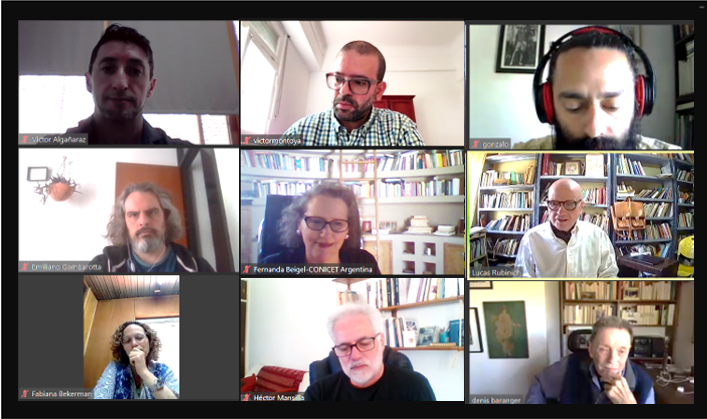
Following the creation of the new Newsletter, Practical Sense, encouraged by the Pierre Bourdieu Foundation in Paris, we got together to discuss the creation of a Bourdieusian research network in Argentina, similar to those existing in other countries (such as the Italian Bourdieu Office, for example), to disseminate ongoing research and collaborate with the aforementioned Newsletter. The meeting was held on October 4th, with researchers from all over the country, and it was proposed to create this network with the name “Space Bourdieu Argentina”, which will have a site on the CECIC web page.

The network already counts with the participation of Alicia Gutiérrez (FFyH, UNC, Córdoba), Juan Dukuen (IPEHCS-CONICET/UNCo-UBA, Bariloche), Ana Teresa Martínez (INDES/UNSE-CONICET, Santiago del Estero), Gustavo Sorá (UNC, Córdoba), Emiliano Gambarotta (CONICET/UNSAM/UNLP, Buenos Aires), Gonzalo Assusa (UNC, Córdoba), Alejandro Blanco (UNQ/CONICET, CABA); Héctor Mansilla (UNC, Córdoba), Victor Montoya (UNTREF, Buenos Aires), Fabiana Bekerman (CONICET/CECIC, UNCuyo, Mendoza), Victor Algañaraz (CONICET-CECIC/IISE-UNSJ, San Juan), Denis Baranger (UNAM, Misiones), Lucas Rubinich (FSoc UBA, CABA) and Fernanda Beigel (CONICET/CECIC-UNCuyo, Mendoza).

Among the upcoming activities, on Friday, October 25, the inaugural conference of the First Conference on Sociology of Literature “Tensions between heteronomy and autonomy”, organized by the Gino Germani Institute and coordinated by Lucas Rubinich, was announced. The lecture will be given by Sergio Miceli (Universidade de Sao Paulo) entitled “Genesis of the Concept of Field in Weber and Bourdieu.” Information and registration at: https://forms.gle/z96T5Wv4DsfBNjmB7

On the other hand, the first presentation of the Practical Sense Newsletter for Latin America will be held on Monday, November 11 at 12:00 am ARG – 16:00 pm Paris, in the framework of the CECIC Workshop “Convergences between bibliometrics and prosopography: studies of coverage, circulation of knowledge and academic inequalities” in virtual format. Johan Heilbron, Matthias Fringant and Jérôme Bourdieu, Jessica Ronconi, Carolina Pulici, and other collaborators of the new initiative will participate. If you would like to register, please fill out the following form.

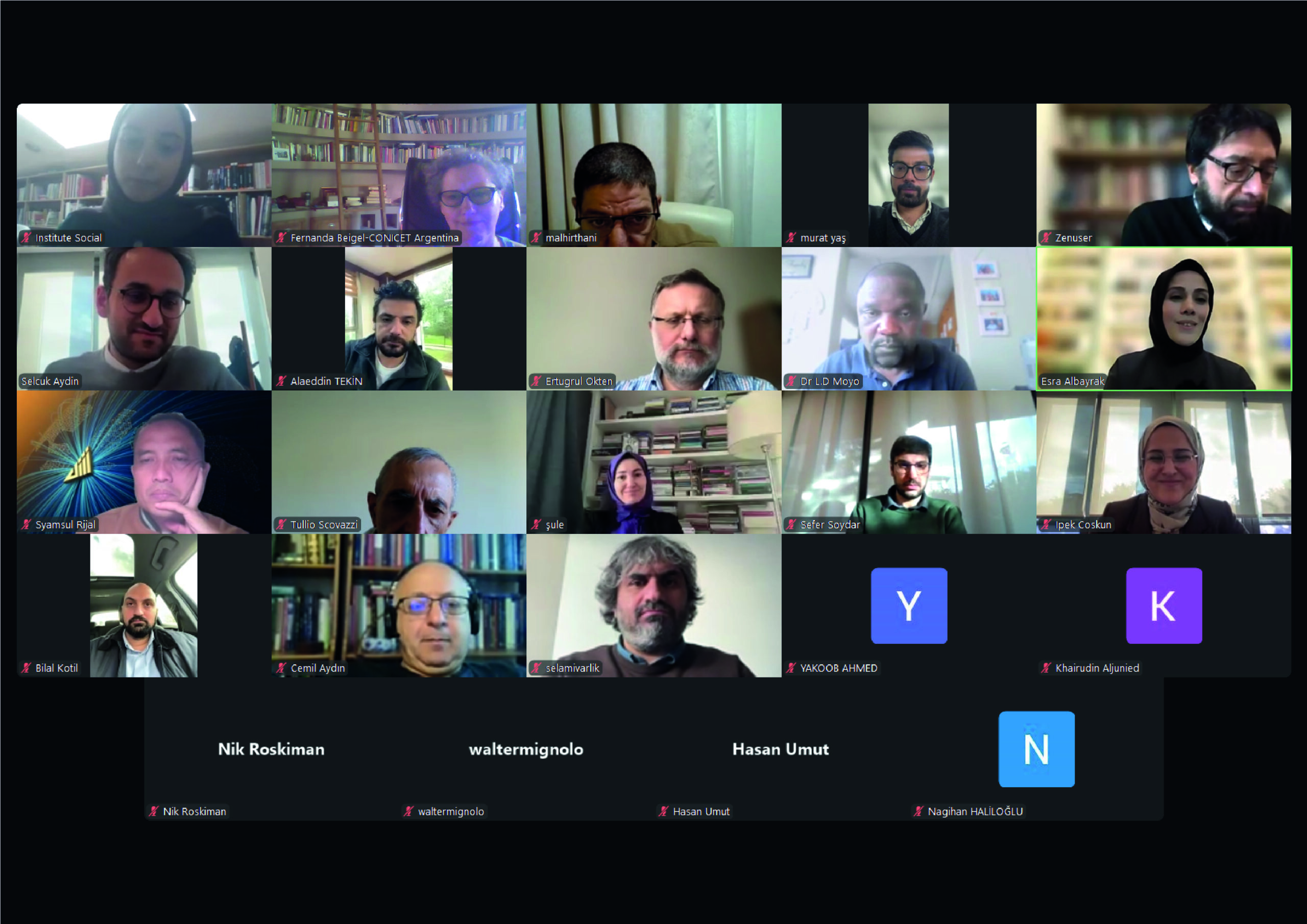
Screenshot of the meeting held on October 4, 2024.